3-Ton Jack for a Car: Overkill or Smart Safety Margin?
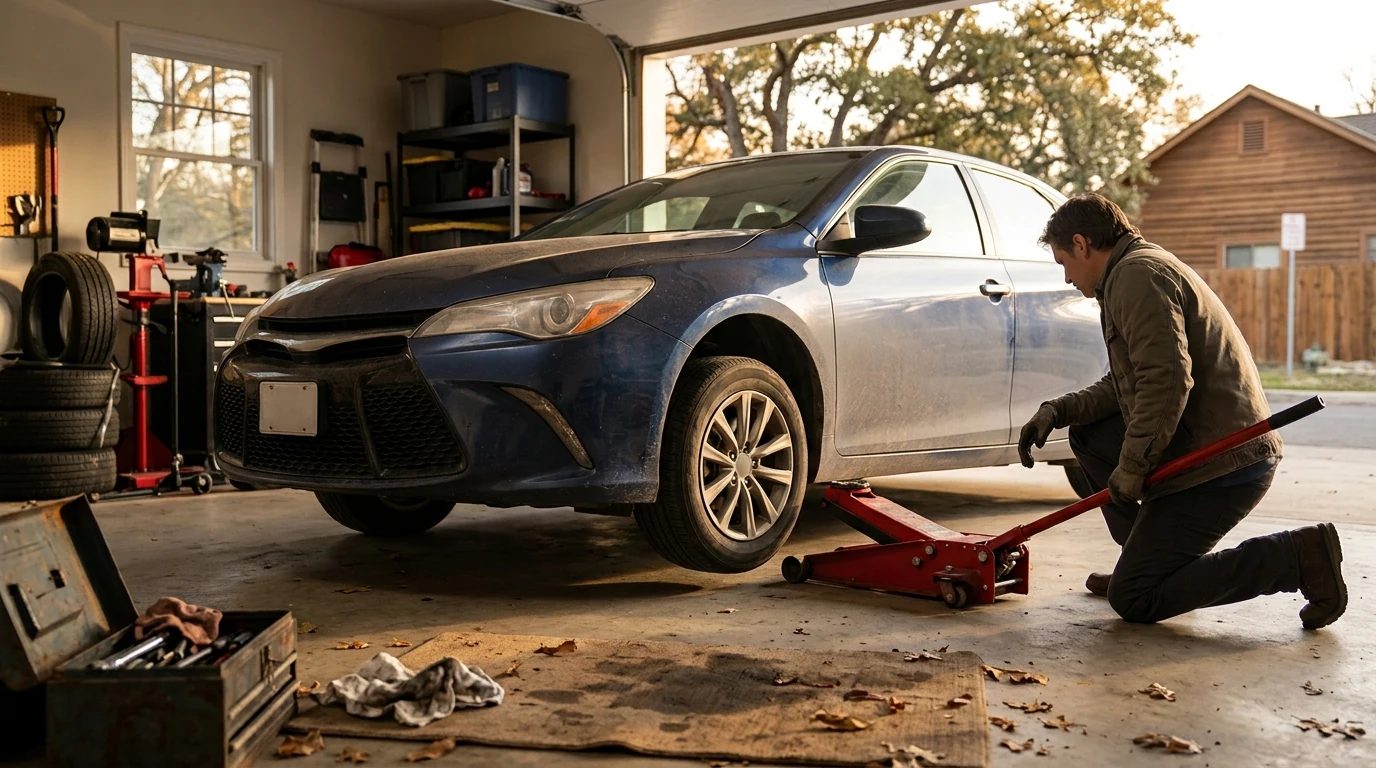
Is a 3-ton jack overkill for a car?
Usually, no. A 3-ton (6,000 lb) jack is a common, practical choice for most passenger vehicles because you’re not lifting the entire car at once—you’re typically lifting one end or one corner. That extra capacity isn’t “wasted”; it can provide a wider safety margin and often comes with a sturdier build, a larger saddle, and better stability than lighter-duty jacks.
When a 3-ton jack makes sense
A 3-ton rating is a comfortable fit for many sedans, crossovers, and light trucks, especially if the vehicle is heavier than average, carries cargo, or you want a jack that can handle multiple vehicles in a household. It’s also helpful if you plan to lift higher (for example, to place jack stands) because higher lift points and uneven surfaces can increase the real-world demands on the jack.
When it can be “too much”
The tradeoff is portability. Many 3-ton floor jacks are bulkier and heavier than a compact 2-ton model, so they’re less convenient to store in a small trunk or carry around. Another mismatch is low clearance: some higher-capacity jacks sit taller at the front, making them harder to slide under lowered cars unless they’re specifically designed as low-profile.
The capacity isn’t the only spec that matters
Check minimum height (to fit under the car), maximum lift height (to reach the recommended lift points), and overall stability. No matter the jack size, always support the vehicle with properly rated jack stands—jacks are for lifting, not holding.
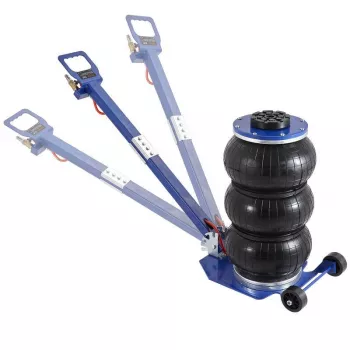
For a deeper look at lift capacity, stability, and features to consider, see the detailed guide here: https://magdella.com/guide-3-ton-triple-bag-air-jack-fast-lift-adjustable-handle/.
FAQ
What’s the difference between a floor jack and a bottle jack?
A floor jack rolls and typically offers better stability and easier positioning under a car, while a bottle jack is more compact and can lift heavy loads but often needs more clearance and a solid, level surface to feel stable.










Leave a comment