Acacia Wood Cost: Expensive or Budget-Friendly?
Is acacia wood very expensive?
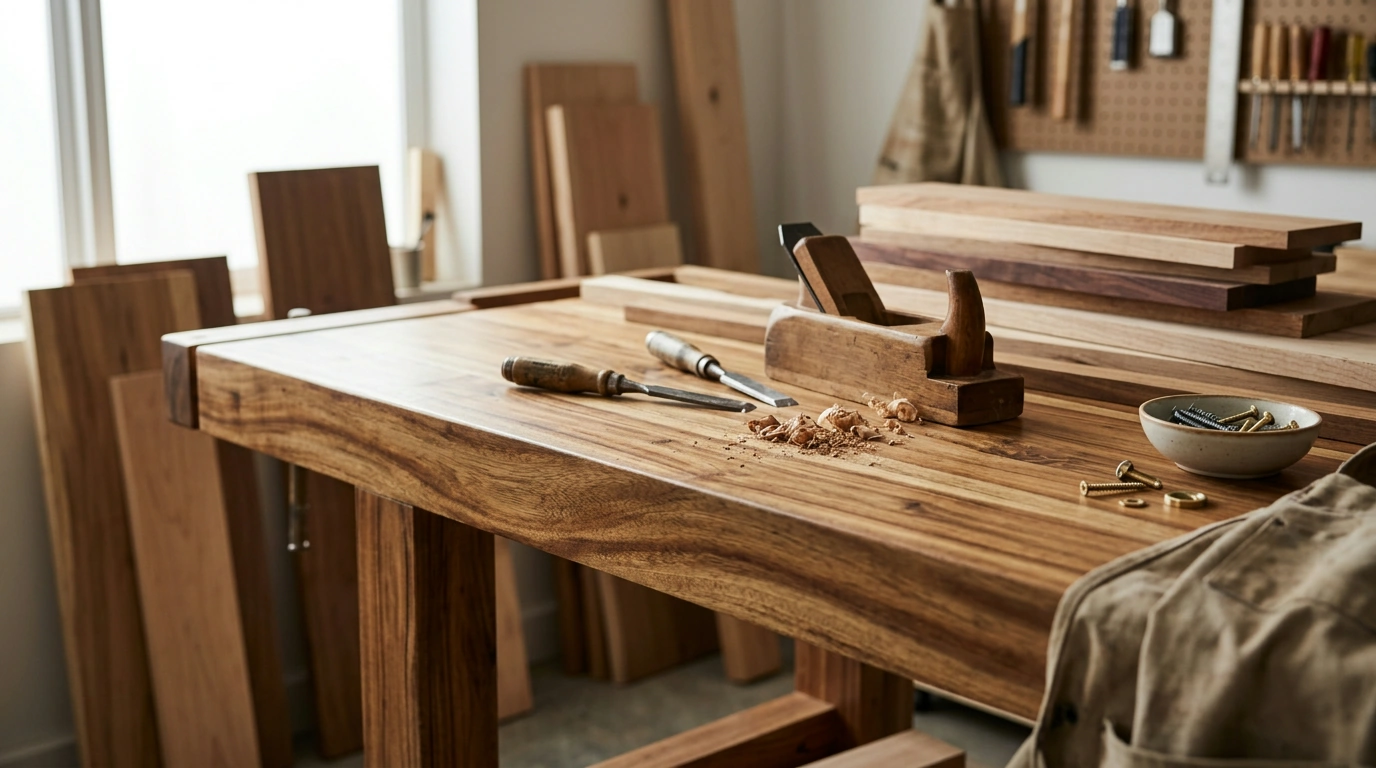
Acacia wood is usually not very expensive compared with premium hardwoods like walnut, teak, or white oak. It’s often priced in the “mid-range” because acacia grows relatively quickly and is widely available, which helps keep material costs under control. That said, “acacia” can describe multiple species and grades, so prices can swing from budget-friendly to surprisingly pricey depending on how the wood is sourced and finished.
In furniture, acacia tends to cost more than common softwoods or lower-cost hardwoods (like rubberwood), but less than many slow-growing, highly sought-after species. If two pieces look similar, the acacia option is frequently the better value when you want a real-wood surface and a richer grain pattern without stepping into luxury pricing.
What makes acacia cost more (or less)?
Several factors drive acacia pricing. Solid acacia generally costs more than acacia veneers over engineered cores, even if the surface looks similar at a glance. Thicker boards, fewer knots, and more consistent color usually signal a higher grade. Construction also matters: dovetail drawers, sturdier joinery, and better hardware can raise the final price more than the wood species alone.
Finishing is another big variable. Hand-applied stains, wire-brushed textures, and multi-step protective topcoats add labor and can push an acacia piece into higher price brackets—especially for nightstands and casegoods where surfaces need to resist daily wear.
Is acacia a “cheap wood”?
No. Acacia is a hardwood with a reputation for strength and durability. It’s commonly chosen for furniture because it holds up well and shows attractive grain, often with warm, varied tones. When you see very low prices, it’s worth checking whether the piece is made with thin veneers, mixed materials, or lighter-duty construction.
How to shop smart for acacia furniture
Look for clear product details: “solid acacia” versus “acacia veneer,” the thickness of tops, and the type of joinery. If you’re comparing acacia with walnut in a mid-century style, the design and build quality can matter as much as the species. For a deeper comparison in a real furniture context, see this guide to walnut vs. acacia mid-century nightstands.
FAQ
Is acacia wood good for furniture?
Yes. Acacia is a durable hardwood with distinctive grain and good everyday resilience, making it a solid choice for nightstands, tables, and storage pieces.










Leave a comment