Downsides of Air Purifiers: Costs, Noise & Ozone Risk
Is there a downside to using an air purifier?
Yes—air purifiers can have downsides, but most are manageable once they’re understood. The biggest tradeoffs tend to be ongoing costs, noise, and the risk of choosing a unit that doesn’t match your space or needs.
Ongoing filter costs and maintenance
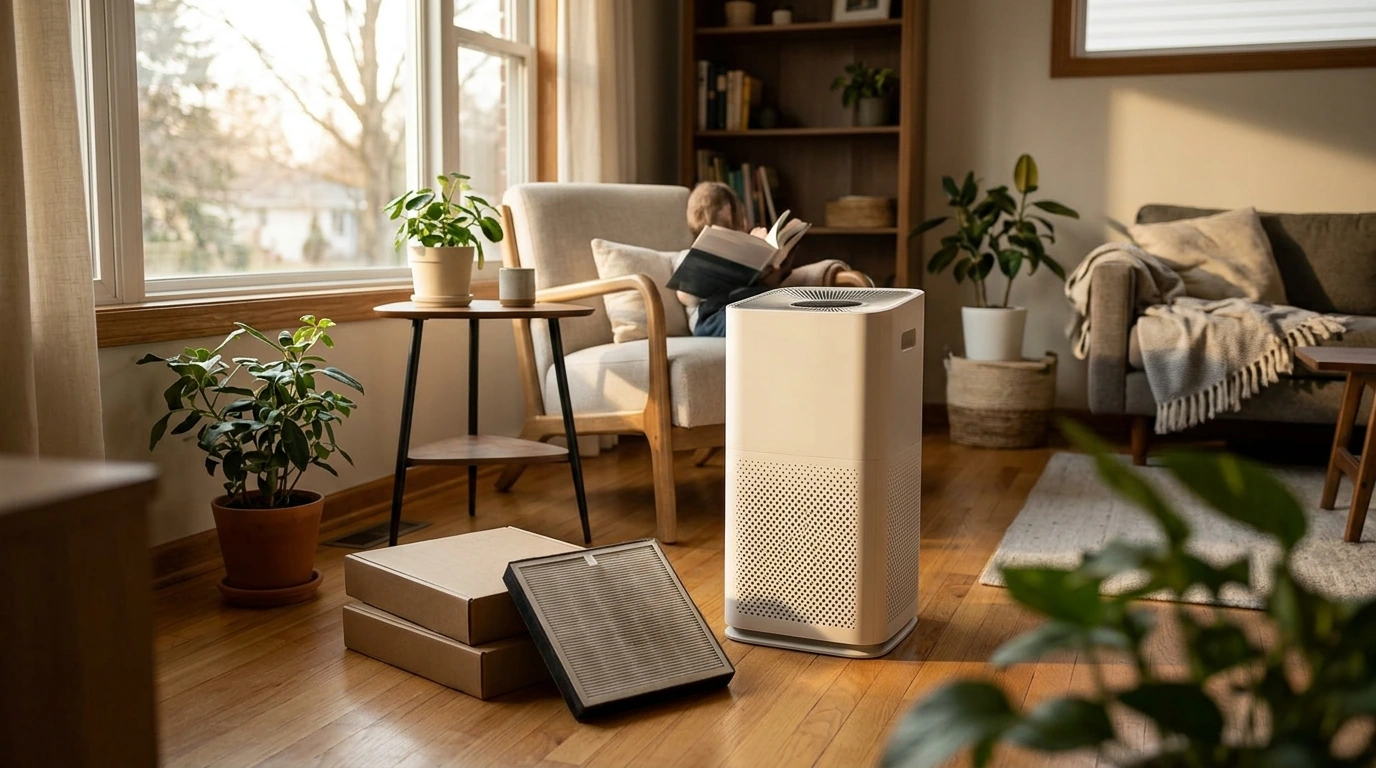
Most effective purifiers rely on replaceable filters (often a pre-filter plus a HEPA and sometimes activated carbon). Those filters aren’t optional—when they load up, performance drops and airflow can suffer. Depending on usage and indoor conditions, replacement schedules can range from every few months to once a year, so it’s worth factoring that cost into the purchase.
Noise and airflow “draft”
To clean air quickly, a purifier has to move a lot of air. Higher fan speeds can be noticeable in bedrooms, nurseries, or home offices. Even when the sound is tolerable, some people dislike the constant airflow, especially if the unit is placed close to where they sit or sleep.
Energy use
While many modern models are efficient, running a purifier 24/7 does add to electricity use. Energy draw varies widely by size and fan speed, so a large-capacity unit on high can cost more over time than a smaller unit used strategically.
Ozone concerns with the wrong technology
Not all “air cleaners” are the same. Some ionizers or ozone-generating devices can produce ozone, which can irritate the lungs. If sensitivity is a concern, stick with mechanical filtration (like True HEPA) and avoid products that intentionally generate ozone.
It won’t solve every indoor air problem
Air purifiers can reduce particulates (dust, pollen, smoke) and sometimes odors, but they don’t replace ventilation, humidity control, or fixing the source of mold and VOCs. For larger homes, placement and coverage (square footage rating) also matter—an undersized unit may feel like it “does nothing.”
For tips on choosing a properly sized model with smart controls and room-coverage guidance, see the full guide: smart air purifier guide.
FAQ
Do air purifiers help with allergies?
They can reduce airborne allergens like pollen, dust, and pet dander—especially with a True HEPA filter—though results depend on room size, fan speed, and consistent use.








Leave a comment