Air Purifiers and COPD: Do They Ease Symptoms?
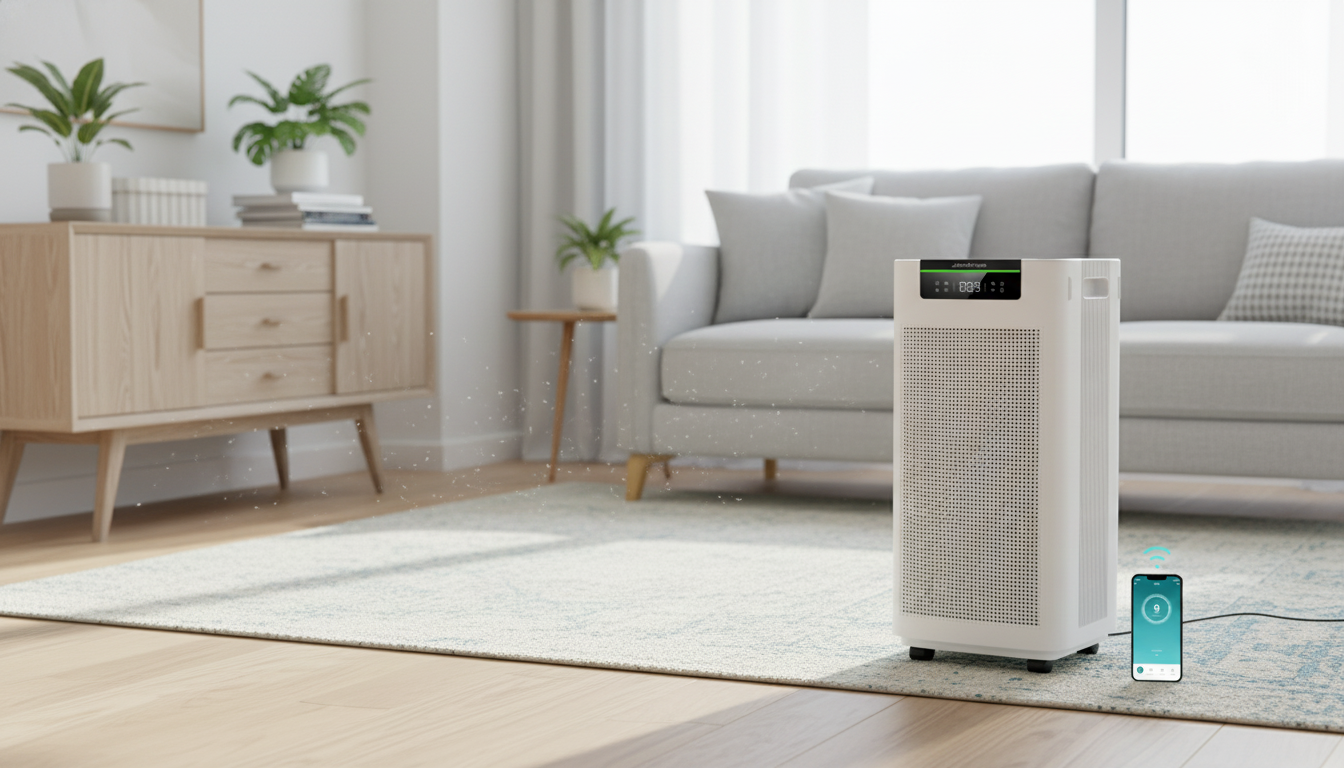
Would an air purifier help my COPD?
An air purifier can help many people with COPD by reducing common indoor triggers that irritate already-sensitive airways. It won’t treat COPD or replace medications, oxygen therapy, or a clinician’s care plan, but cleaner indoor air may support easier breathing and fewer symptom flare-ups—especially if your symptoms worsen at home.
How an air purifier may help
COPD symptoms can be aggravated by fine particles and irritants such as dust, pollen, pet dander, smoke residue, and other airborne pollutants. A quality purifier with true HEPA filtration can capture a large share of these particles, which may reduce coughing, wheezing, chest tightness, and nighttime irritation for some households. If you’re sensitive to odors or chemical fumes, a model with a substantial activated carbon filter can also help lower smells and some VOCs (though no purifier removes everything).
What to look for if you have COPD
Choose a true HEPA filter (not “HEPA-like”), and size the unit for your room or open living area so it can cycle air frequently. Quieter operation matters because the purifier works best when it runs continuously, including while you sleep. Look for an easy-to-read air quality display, simple controls, and readily available replacement filters to help you keep up with maintenance.
Tips for better results
Run the purifier in the rooms where you spend the most time, keep doors and windows closed on high-pollen or smoky days, and change filters on schedule. If anyone smokes or vapes indoors, or if you have a gas stove with poor ventilation, address those sources too—purifiers help, but source control is often more impactful.
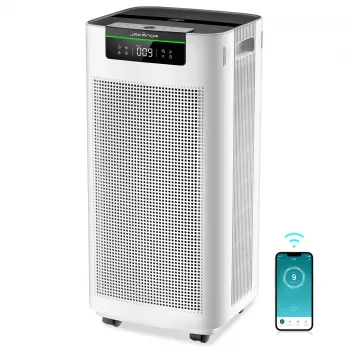
For details on choosing a powerful, app-enabled unit for larger spaces, see this smart air purifier guide.
FAQ
What type of air purifier filter is best for COPD?
A true HEPA filter is typically best for COPD because it captures fine particles like dust, pollen, and dander. If odors or fumes bother you, prioritize a model with a larger activated carbon filter as well.








Leave a comment