US to Japan: Do You Need a Charger Adapter or Converter?
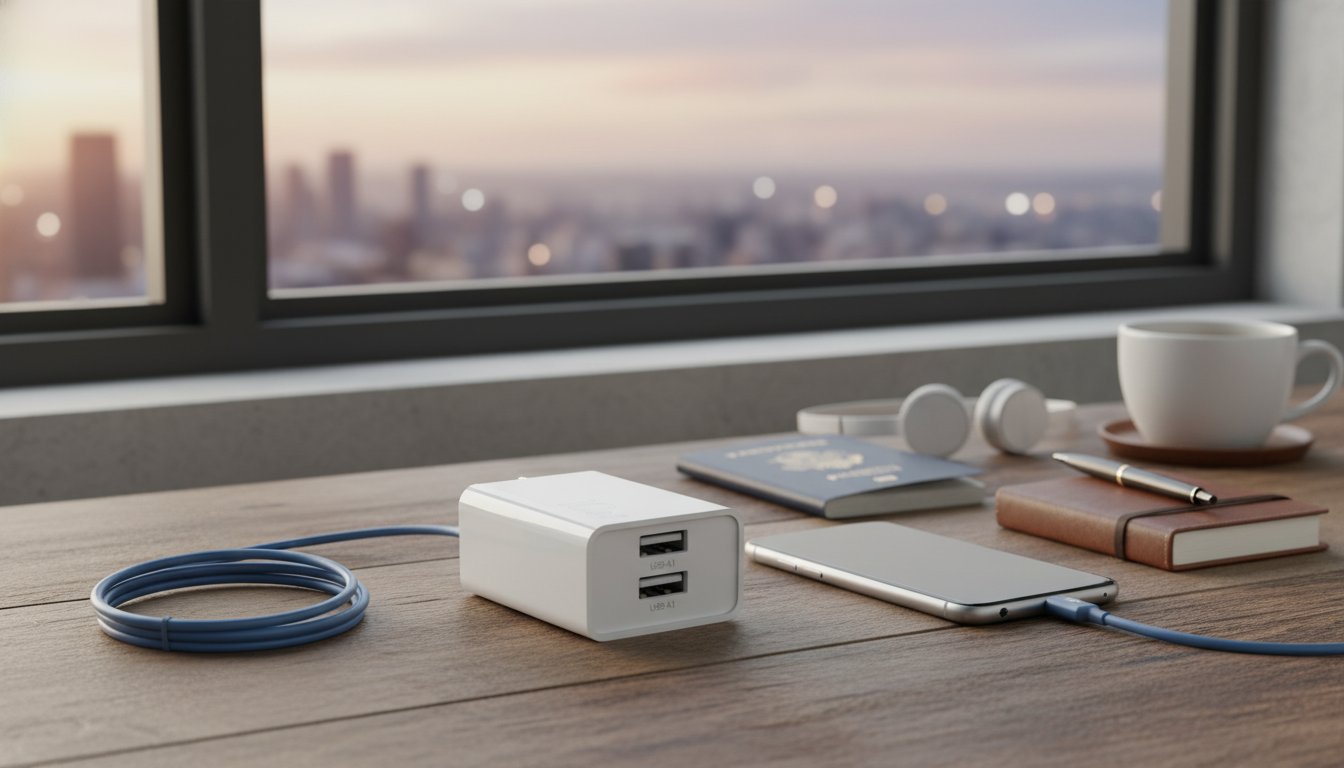
Do I need charger adapters for computers and phones when I travel from the US to Japan?
For most travelers, you’ll want at least a simple plug adapter when going from the US to Japan, but you may not need a voltage converter. Japan uses Type A plugs (two flat prongs), which is the same shape used in the US—so many US chargers will physically fit. The bigger difference is the electrical system: Japan runs on 100V (with 50/60Hz depending on the region), while the US is typically 120V.
When you don’t need a converter
Most modern phone and laptop chargers are “dual voltage,” meaning they accept a wide input range such as 100–240V, 50/60Hz. If your charger label says something like “Input: 100-240V,” you can plug it in in Japan (with the right plug fit) without converting voltage. That covers the vast majority of USB wall chargers, phone fast chargers, and laptop power bricks from major brands.
When you might need an adapter anyway
Even though the plug style is usually compatible, some devices have bulky power bricks or polarized plugs that can be awkward in certain outlets. Hotels, older buildings, and airport outlets can also be loose or recessed, so a compact travel-friendly wall charger and/or a plug adapter can help ensure a solid connection.
When to consider a converter
You generally only need a voltage converter for high-wattage or single-voltage devices (for example, certain hair dryers, curling irons, or older appliances marked “120V only”). Using those in Japan can lead to weak performance or overheating. Computers and phones almost never require a converter if their chargers are rated 100–240V.
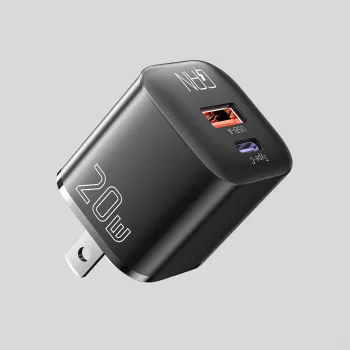
For a compact option that’s designed with travel in mind, see this guide: compact 10W dual USB wall charger for travel.
FAQ
Will a US power strip work safely in Japan?
It usually will if everything plugged into it uses 100–240V input, but confirm the strip and connected chargers are rated appropriately. Avoid plugging in high-wattage, heat-producing devices unless they’re designed for 100V use.









Leave a comment