Gold Crystal LED Chandelier: Modern Living & Dining Glow
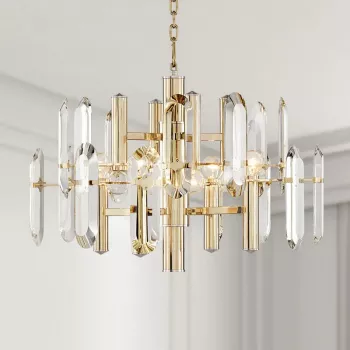
Modern Gold Crystal LED Chandelier for Living and Dining Rooms
A crystal chandelier can add sparkle without feeling traditional when the frame is clean-lined and the light source is efficient. This modern gold design pairs faceted crystal accents with LED illumination to create a bright, polished focal point that suits both conversation areas and dining tables. The result is a fixture that reads fresh and elevated—more “architectural glow” than formal ballroom—while still delivering the light quality people expect from a centerpiece chandelier. For more guidance, see Crystal Chandelier Light Luxury Living Room Ring ….
What Makes This Chandelier Feel Modern
Modern chandeliers tend to look intentional and streamlined, with shine used as an accent rather than the whole story. This style hits that balance by combining a warm gold finish with crisp crystal highlights and an LED-driven lighting experience. For further reading, see Modern 4-Tier Crystal Chandelier – K9 Glass Pendant ….
- Gold-toned finish that reads warm and contemporary rather than ornate, especially when paired with simple hardware and clean furniture lines.
- Crystal elements used for controlled shimmer and reflections instead of heavy, classic draping—so the sparkle feels edited, not fussy.
- LED light source for high brightness with lower heat output and lower energy use than older bulb types. For general guidance on efficient lighting, see ENERGY STAR lighting resources.
- Versatile statement-piece energy that complements minimalist, glam, and transitional interiors without forcing the room to look “theme-y.”
Where It Works Best: Living Room vs Dining Room
The same chandelier can feel completely different depending on what sits beneath it. Think of the fixture as a “visual anchor” that either frames a seating layout or defines the dining surface as its own destination.
- Living room placement: center it over a main seating zone to anchor the space and balance surrounding floor and table lamps.
- Dining room placement: center it over the table to create a defined “dining island” of light and sparkle.
- Open-plan homes: use the chandelier to visually separate living and dining areas without adding partitions or bulky furniture dividers.
- Ceiling height matters: higher ceilings benefit from more presence; standard ceilings benefit from tighter, cleaner silhouettes that don’t crowd sightlines.
Quick Placement Checklist
| Area | Best Position | Goal | Common Mistake to Avoid |
|---|---|---|---|
| Living room | Centered over seating group | Create a focal point and even ambient light | Placing too close to a TV wall causing glare/reflections |
| Dining room | Centered over dining table | Illuminate the tabletop and highlight the setting | Choosing a size that overwhelms the table |
| Open-plan | Aligned to the zone (table or seating) | Define zones and add cohesion | Centering to the room rather than the furniture |
Lighting Experience: Brightness, Color, and Ambience
Crystal changes how light feels in a room. Instead of a single glow, you get sparkle points and reflected highlights that make the space look brighter—even when the output stays the same.
- Perceived brightness increases because crystal surfaces refract and reflect, spreading light in multiple directions.
- LED lighting supports a clean, steady glow and reduces frequent bulb changes compared with older technologies.
- Warm-white tones tend to flatter wood, gold finishes, and skin tones at the table—ideal for dining and entertaining.
- Neutral/cooler tones emphasize a crisp, modern look and can make crystal sparkle feel sharper and more “glassy.” For a helpful overview of color temperature, see the U.S. Department of Energy’s LED lighting guide.
- Dimming (when compatible) gives the biggest range: brighter for gatherings, softer for evenings, and just-right light for everyday tasks.
Sizing and Proportion Tips That Prevent Regret
Chandelier shopping is often where a room goes from “nice” to “nailed it”—or from “pretty” to “why does this feel off?” Proportion solves most of that.
- Match visual weight to what’s below: larger tables and larger seating groups can handle more presence; petite rooms usually look better with a tighter silhouette.
- Aim for comfortable clearance: keep enough headroom in walkways and enough space above a dining surface so the chandelier doesn’t feel intrusive.
- Keep the footprint inside table edges: for dining areas, a chandelier that stays comfortably within the table perimeter reduces bump risk and looks more intentional.
- Check sightlines in living rooms: the chandelier should feel centered from main entry points and key seating angles, not just from the middle of the ceiling.
Installation Notes and Practical Planning
A chandelier’s beauty is in the details, and a few planning steps help it look crisp from day one.
Product Spotlight: Modern Gold Crystal LED Chandelier
At a Glance
| Item | Details |
|---|---|
| Name | Modern Gold Crystal LED Chandelier for Living and Dining Rooms |
| Price | 764.80 USD |
| Availability | In stock |
| Product page | View details |
Styling Ideas: Pairing Gold and Crystal Without Overdoing It
More In-Stock Finds to Complement a Gold-and-Crystal Moment
- Dolce & Gabbana Gold Charm Necklace with Carretto Pendants and Crystals
- Alviero Martini Prima Classe Women’s Beige Bag with Zip
FAQ
Can a crystal LED chandelier work in a modern living room without feeling traditional?
Yes—clean silhouettes and restrained crystal detailing read contemporary, especially when the gold finish is warm and minimal rather than ornate. Pair it with simple furniture lines and matte textures (linen, plaster, light wood) so the sparkle feels intentional.
How high should a chandelier hang over a dining table?
A practical starting range is about 30–36 inches from the tabletop to the bottom of the fixture for standard ceilings, adjusting slightly higher for taller ceilings. The goal is clear views across the table while keeping the chandelier visually connected to the dining setting.
Are LED chandeliers dimmable?
Some are, but dimmability depends on the fixture’s LED driver and whether it’s compatible with your wall dimmer. Check the product specifications and use a compatible LED-rated dimmer to avoid flicker or limited dimming range.









Leave a comment