1800W Double-Pan Rolled Ice Cream: Faster Rush Service
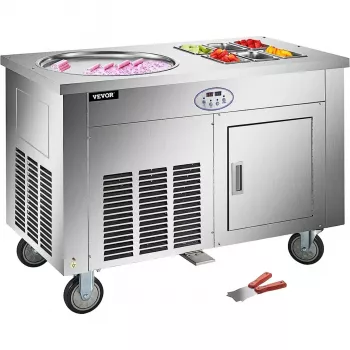
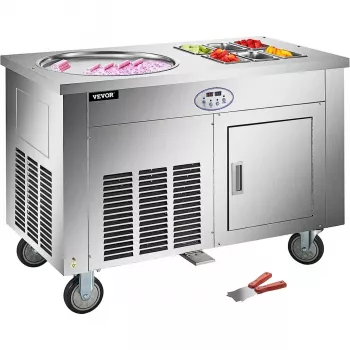
1800W Double-Pan Rolled Ice Cream: What Changes in Real Service
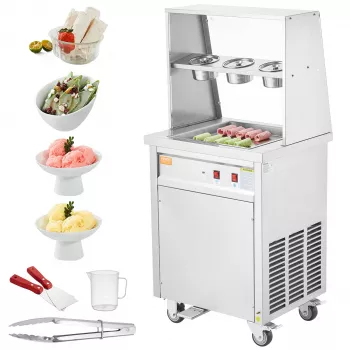
A commercial double-pan fried ice cream machine is designed for speed and showmanship: pour a thin layer of chilled base onto a subzero plate, chop in mix-ins, then scrape and roll in front of guests. With two freezing plates, the workflow becomes less stop-and-go—especially during peaks—because you can produce back-to-back orders without waiting as long for the surface to recover its cold.
What the Double-Pan Format Changes in Real Service
- Parallel prep: run two different flavors at once or stagger batches so one pan is freezing while the other is being served.
- Smarter handling of allergen-sensitive orders: dedicating one pan to nut-free or dairy-free mixes can reduce cross-contact risk, provided cleaning and tool separation are strict.
- Repeatable training flow: portion base, chop mix-ins, spread thin, scrape/roll, plate, reset—consistent steps reduce new-hire errors.
- Faster recovery between rounds: higher-power commercial builds typically regain target plate temperature sooner after a warm pour, helping keep rolls smooth instead of slushy.
Core Performance Factors to Look For
Even within “double pan” machines, results can vary widely. These factors have the biggest effect on speed, texture, and daily reliability.
- Power and recovery: higher wattage generally improves how quickly each plate returns to rolling temperature after you spread a fresh mix.
- Plate space and rim design: generous working area helps with chopping and spreading; a practical rim reduces spillover when the base is still liquid.
- Temperature control and stability: steady freezing supports clean rolls and reduces grainy or icy texture, especially with repeated service cycles.
- Build and hygiene: smoother surfaces and accessible corners shorten cleanup time and reduce residue accumulation.
- Noise and heat output: compressor and fans add heat to the service area—plan airflow so staff aren’t working in a hot corner.
- Electrical planning: confirm outlet type, voltage requirements, and whether you need a dedicated circuit to avoid nuisance trips mid-rush.
Quick Specs Snapshot
This 1800W double-pan unit is positioned for commercial throughput and repeated batches. Use this snapshot as a planning checklist for placement, power, and menu capacity.
| Item | Detail | Why it matters |
|---|---|---|
| Product name | 1800W Commercial Double Pan Fried Ice Cream Machine | Identifies the double-pan format and commercial power class |
| Power | 1800W | Impacts freeze-down and recovery speed between servings |
| Pans | Double pan (2 plates) | Supports parallel batches and faster peak-hour service |
| Availability | In stock | Useful for near-term opening dates or equipment replacement |
| Price | $2473.80 USD | Baseline for budgeting against accessories, ingredients, and electrical setup |
Workflow for Fast, Consistent Rolls
A double-pan machine rewards a tight station setup. The goal is to keep the plates working while minimizing “dead time” between orders.
1) Pre-chill and mise en place
- Keep base cold in a fridge or iced well; warm base is the fastest way to slow down service and worsen texture.
- Pre-portion popular mix-ins (cookies, brownies, fruit) so staff aren’t opening bags and measuring during the rush.
- Stage scrapers/spatulas, portion cups, paper towels, and serving boats so the operator never leaves the station.
2) Use a staggered batch rhythm
- While one pan is freezing and being rolled, start the next order on the second pan.
- If lines build, reserve one pan for standard menu builds and use the other for customizations that take longer to chop and balance.
3) Spread thin, then roll at the right moment
- Thin layers freeze evenly: a uniform sheet scrapes cleaner and yields smoother, tighter rolls.
- Watch the surface cue: scrape when the base looks matte and feels firm. Too early causes smearing; too late makes it brittle and shardy.
- Keep portions consistent: using the same base volume per order keeps freeze time predictable and reduces remakes.
4) Add toppings strategically
- Fold soft mix-ins (syrups, jam, peanut butter alternatives) during chopping for even distribution.
- Add crunchy toppings after rolling so they stay crisp and don’t turn soggy while freezing.
Installation and Placement Checklist
Cleaning, Sanitizing, and Preventive Care
For broader guidance on safe food handling and cross-contamination prevention, reference the U.S. Food & Drug Administration Food Code and the CDC food safety resources.
Menu Ideas That Sell Well on a Double Pan
In-Stock Picks
- 1800W Commercial Double Pan Fried Ice Cream Machine
- Cactus Cat Tree Tower with Scratching Post & Condo Nest
FAQ
How long does it take to make rolled ice cream on a commercial cold plate?
Most orders take a few minutes from pour to plate, depending on how cold the base starts, portion size, ambient heat, and how quickly the plate recovers between batches. A double-pan setup helps maintain pace during rushes by letting you start the next order while the first is finishing.
Can one pan be used for dairy-free or allergen-sensitive orders?
Yes, dedicating one pan can reduce cross-contact risk, but it doesn’t replace strict cleaning, separate tools, and careful ingredient handling. Clear procedures and staff training are essential for consistent allergen-aware service.
What causes rolls to crumble or turn icy?
Common causes include spreading the layer too thick, using base that’s too warm, waiting too long to roll, low fat/sugar formulations, or not giving the plate time to recover cold. Adjust by using consistent portions, spreading thinner, rolling at the matte/firm stage, and letting the surface rebound between rounds.








Leave a comment