4-Pack Reusable Suede Cloth Waterproof Diapers (3–15kg)
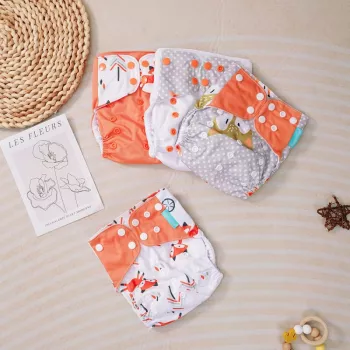
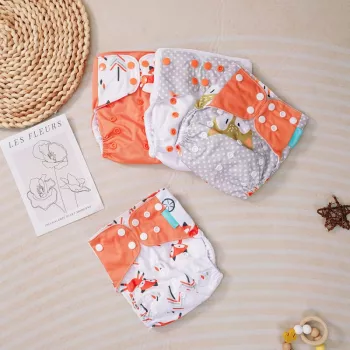
4PCS Reusable Suede Cloth Waterproof Baby Diapers (3–15kg): Fit, Comfort, and Daily Care
Reusable diapers can simplify day-to-day changes while cutting down on disposable waste. This 4-piece suede cloth, waterproof set is designed for babies from 3–15kg, with a soft inner feel against skin and an outer layer intended to help contain leaks. The details below cover what’s included, how to dial in fit for boys and girls, how to reduce leaks, and how to wash and dry them so performance stays consistent.
What’s Included and Who It Fits
A 4-pack is a practical rotation for quick changes during a single day (especially for naps, outings, or part-time cloth). Instead of relying on age, fit is mainly determined by adjusting the diaper’s rise and waist to match your baby’s shape.
- Set size: 4 reusable diapers for rotating between wears and washes.
- Weight range: Designed for babies and toddlers from 3–15kg; how it fits depends on adjustments and body type.
- Unisex use: Works for boys and girls; you’ll fine-tune absorbency placement and fit checks based on where wetness concentrates.
- Flexible role: Useful as a starter pack for naps/home use/daycare trial, or as an add-on to an existing cloth routine.
| Feature | What it means for daily use |
|---|---|
| Pack size | 4 diapers to rotate between wears and washes |
| Weight range | 3–15kg (adjustable fit from infant through early toddler stage) |
| Inner fabric | Suede cloth feel to help keep skin comfortable |
| Outer layer | Waterproof barrier to help reduce leaks |
| Use case | Home, travel bag backups, naps, and budget-friendly cloth routine |
If you’re ready to build a small rotation, see Reusable suede cloth waterproof baby diapers (3–15kg) – 4 pack.
Comfort and Skin-Friendliness
Comfort starts with the fabric against the skin and ends with the fit. Suede cloth interiors are commonly chosen for a soft hand-feel and for helping moisture move away from the surface during wear, which can help many babies feel drier between changes.
- Fit for comfort: Aim for snug around legs and waist without deep marks or restricted movement. Temporary sock-like impressions are common; angry red lines that linger can mean it’s too tight.
- Barrier creams: If you need diaper cream, choose a reusable-diaper-friendly option when possible. For thicker ointments, a liner can help reduce residue that may cling to fabric.
- If redness shows up: Check for friction points (often too tight at thighs), prolonged wear time, or detergent residue that wasn’t fully rinsed. Adjust one variable at a time so you can tell what helped.
For guidance on recognizing and responding to diaper rash, the American Academy of Pediatrics has a helpful overview here: Diaper Rash (AAP).
Leak Protection: Getting a Secure Seal
The waterproof outer fabric is designed to contain moisture, but most leaks come from fit gaps rather than the material itself. A reliable seal is usually a combination of correct rise, smooth leg edges, and absorbency that matches your change schedule.
- Leg seal check: After fastening, run a finger around each leg opening. Make sure the edge is tucked into the “bikini line” and not folded outward.
- Waist placement: Many babies do best with the top edge sitting just below the belly button. For round-bellied infants, a slightly higher rise can prevent a gap at the front or back.
- Heavy wetters: Shorten wear intervals and add absorbent inserts if compatible with your diaper setup. Leaks that happen fast often mean absorbency is the limiting factor.
- Nighttime reality: Overnight usually requires more absorbency than daytime. If your baby sleeps long stretches, consider a separate night strategy (extra absorbency and/or more frequent checks).
Sizing and Fit Tips for 3–15kg
Adjusting reusable diapers is a small skill, and it gets easier after a few changes. A consistent order of operations helps you avoid “tight but still leaking” situations.
Washing and Drying Routine That Keeps Performance Steady
Since diaper changes are frequent, it also helps to keep hygiene simple and consistent—especially when you’re out. The CDC’s handwashing guidance is a useful refresher: CDC: When and How to Wash Your Hands.
Everyday Use Scenarios
At home
On the go
Daycare
Potty training transition
Cost, Value, and What to Expect from a 4-Pack
More In-Stock Finds
- 4PCS Reusable Suede Cloth Waterproof Baby Diapers for Boys and Girls (3-15kg)
- Cactus Cat Tree Tower with Scratching Post & Condo Nest
- Alviero Martini Prima Classe Women’s Beige Bag with Zip
FAQ
How often should reusable diapers be changed?
Many babies do well with changes about every 2–3 hours during the day, while newborns often need more frequent changes. If your baby is a heavy wetter or you’re using lighter absorbency, shorten the interval to help prevent leaks and irritation.
Do waterproof reusable diapers still need inserts?
Often, yes—the waterproof layer helps contain moisture, but absorbency comes from the inner layers and/or inserts. Needs vary by baby and time of day, with naps and nighttime typically requiring more absorbency than quick daytime stretches.
What helps prevent odors and ammonia smell in reusable diapers?
Wash every 2–3 days, use enough detergent and agitation to fully clean, and avoid fabric softeners that can cause residue. If smells persist, it can help to reassess detergent amount, ensure thorough rinsing, and fully dry diapers between uses.








Leave a comment