Winter Citrus Baking Checklist (Printable) for Cozy Desserts
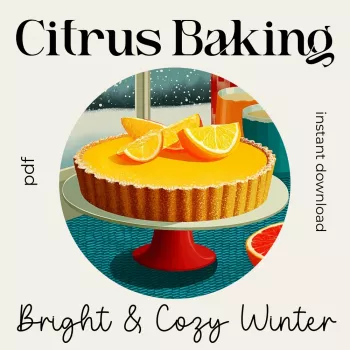
Bright & Cozy Winter Citrus Baking Checklist: A Printable Guide for Seasonal Desserts
Winter citrus brings a burst of color and fragrance to the coziest bakes—think glossy glazes, tender crumb cakes, and buttery cookies with bright zest. A simple checklist makes it easier to decide what to bake, which fruits to grab, and how to prep components (zest, juice, curd, candied peel) so weeknight baking feels doable and weekend baking feels festive.
Why winter citrus belongs in the baking rotation
- Peak-season flavor: Many citrus varieties taste sweeter and more aromatic in cooler months, which can mean less sugar needed for balance.
- Versatile forms: Zest for aroma, juice for acidity, segments for texture, and peel for candying—one fruit can power multiple desserts.
- Built-in “cozy”: Citrus pairs naturally with warm spices (cinnamon, cardamom, ginger) and rich bases (butter, olive oil, yogurt).
- Easy to share: Citrus-forward bakes travel well and feel special for brunches, cookie swaps, and gifting.
Choose your winter citrus: flavors, best uses, and quick tips
Pick one “main” citrus and one “supporting” citrus. For example, use orange for sweetness and lemon for lift, or grapefruit for boldness balanced by honey.
- Meyer lemon: Softer acidity and floral aroma; ideal for bars, curd, and tender cakes.
- Navel or Valencia orange: Classic sweetness; great for loaf cakes, muffins, glazes, and candied slices.
- Blood orange: Berry-like notes and dramatic color; best for frosting, curds, and syrups.
- Grapefruit: Bold bitterness; shines in upside-down cakes, brûléed toppings, and marmalades (pair with honey).
- Mandarin/clementine: Candy-sweet and easy to peel; perfect for shortbread, scones, and snack cakes.
- Key technique: Always zest before juicing. Wash and dry fruit well to reduce waxy residue in zest.
Winter citrus baking cheat sheet
| Citrus | Taste profile | Best for baking | Prep note |
|---|---|---|---|
| Meyer lemon | Floral, gentle tartness | Curd, bars, yogurt cakes | Zest is especially fragrant—use in sugar rubs |
| Orange (navel/Valencia) | Sweet, classic | Loaves, glazes, candied slices | Use zest + juice for full flavor |
| Blood orange | Citrus with berry notes | Curd, frostings, syrup soaks | Color is strongest in uncooked applications |
| Grapefruit | Bold, bittersweet | Upside-down cakes, marmalade | Balance with honey, vanilla, or rosemary |
| Clementine/mandarin | Very sweet, low acid | Scones, shortbread, snack cakes | Segment for mix-ins; zest for aroma |
Pantry and tools checklist for citrus baking days
For consistent results, measuring accurately matters—especially flour. King Arthur Baking’s guide to measuring flour is a helpful refresher when a cake turns out dry or dense.
Mix-and-match flavor pairings that always work
A practical baking plan: what to prep first, what to bake next
Step 1: Prep components that multiply your options
- Citrus sugar: Rub zest into granulated sugar until it feels like damp sand, then store airtight. This quick step makes cookies and cakes smell brighter without changing liquid ratios.
- Citrus curd: Use on toast, swirl into cheesecake bars, fill cupcakes, or layer into a cake. (If curd includes eggs, follow safe handling guidance like the FDA’s safe handling of raw eggs information.)
- Simple syrup: Simmer juice + sugar; brush onto warm loaf cake for moisture and long-lasting flavor.
- Candied peel: Chop finely for biscotti, fruitcake-style cookies, or to sprinkle over frosting for a glossy, bakery-style finish.
Step 2: Pick your bake based on the time you have
Storage, make-ahead, and gifting notes for citrus desserts
- Keep zest fresh: Freeze extra zest in a small bag; it can go straight into batters and doughs.
- Juice smart: Refrigerate fresh juice in a sealed jar for 2–3 days; freeze in ice cube trays for longer storage. For broader storage timelines, the USDA’s FoodKeeper app is a reliable reference.
- Glaze timing: Glaze right before serving for the prettiest shine; for gifting, choose icings that set firmly or go with a citrus sugar finish.
- Transport tips: Line boxes with parchment; include a small note if the dessert contains curd or cream cheese frosting that needs chilling.
- Flavor improves overnight: Loaf cakes and bars often taste better the next day as citrus oils bloom in the crumb.
Printable checklist: a simple way to decide what to bake this week
Recommended picks (in stock)
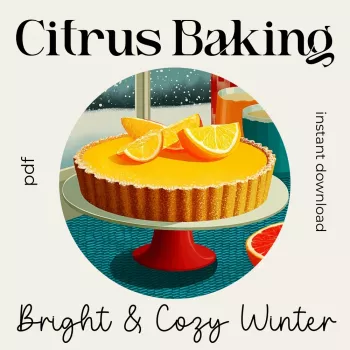
- Bright & Cozy Winter Citrus Baking Checklist (Printable) — a reusable planning sheet for choosing fruit, bake styles, and finishes.
- Alviero Martini Prima Classe Women’s Beige Bag with Zip — a polished zip bag that works well as a market or brunch tote for citrus, parchment, and a boxed loaf.
- Dolce & Gabbana Gold Charm Necklace with Carretto Pendants and Crystals — a special-occasion gift pairing for holiday dessert boxes and celebratory bakes.
FAQ
What are the best winter citrus fruits for baking?
Oranges, Meyer lemons, blood oranges, grapefruit, and clementines are top picks because their zest is aromatic and their juice adds clean acidity. Use zest to amplify fragrance in doughs and batters, and use juice for glazes, curds, and syrup soaks where brightness really comes through.
How do you keep citrus flavor strong in cakes and cookies?
Rub zest into sugar before mixing to release the oils, and use both zest and juice when the recipe can handle the extra liquid. A light syrup soak after baking also locks in flavor, while overbaking tends to mute citrus aroma.
Can citrus desserts be made ahead and frozen?
Yes—loaf cakes, bars, cookies, and unfrosted cake layers freeze well when wrapped tightly and labeled. Whipped frostings can lose texture, so freeze components separately when possible and thaw overnight in the fridge or at cool room temperature for best crumb.










Leave a comment