40mm Automatic Diver: Ceramic Bezel, Gradient Dial
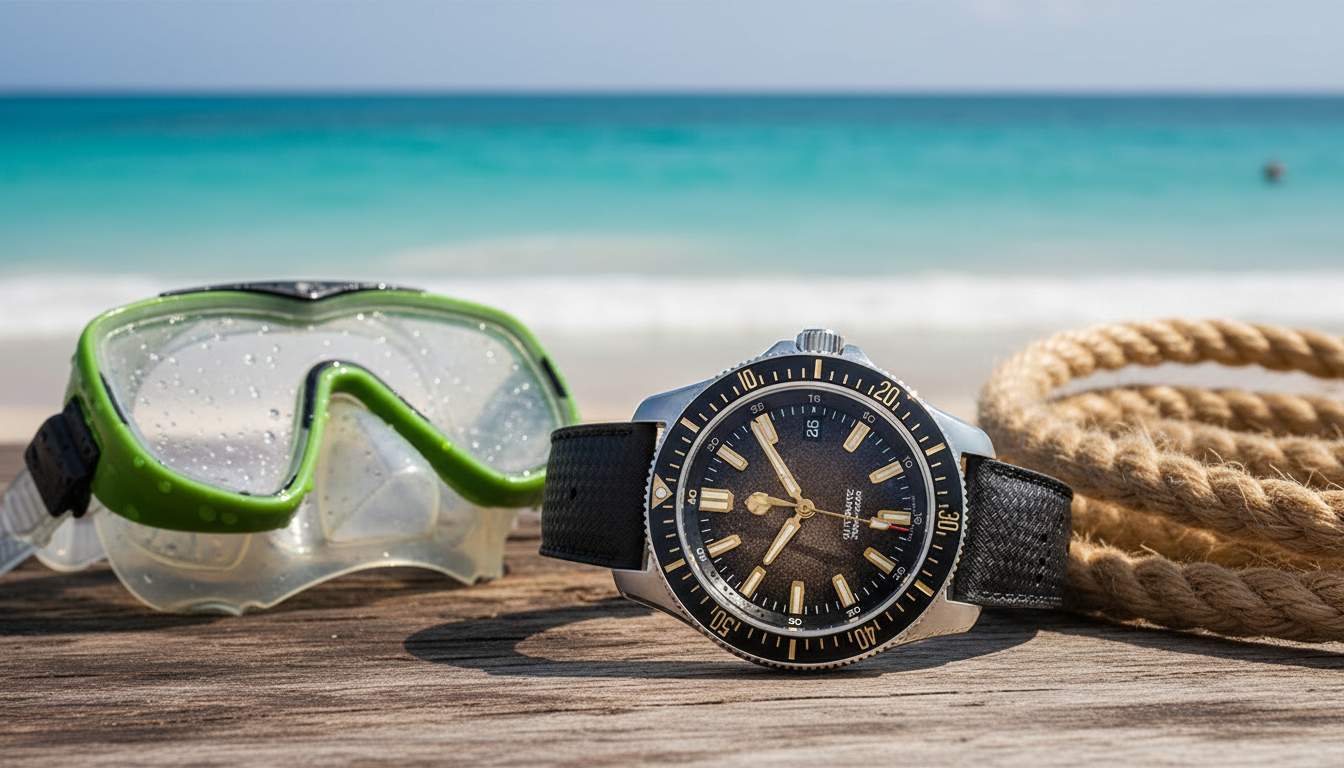
40mm Automatic Dive Watch with Ceramic Bezel & Gradient Dial
A 40mm automatic dive-style watch can be an easy everyday companion: substantial enough to feel like a “real” sports watch, but not so large that it overwhelms most wrists. This model leans into practical, daily-wear details—legibility, durability, and a timing bezel—then adds a modern twist with a gradient dial that shifts tone as the light changes. If you want one watch that can handle office hours, weekend travel, and the occasional pool day (when the water-resistance rating supports it), this is the kind of spec mix that’s worth a closer look. For more guidance, see Diving watch.
What Stands Out at a Glance
- 40mm case size that typically wears balanced across a wide range of wrists.
- Automatic movement ownership: no battery changes, with wear or occasional winding to keep it running.
- Ceramic bezel chosen for hardness and better resistance to fading compared with many painted inserts.
- Gradient dial adds visual depth while keeping the tool-watch attitude intact.
- Rotating timing bezel can track elapsed time for everyday tasks—workouts, cooking, parking, or study sessions.
Design and Wearability (40mm Case, Gradient Dial)
At 40mm, this watch sits in a versatile middle ground—large enough for strong dial presence and easy reading, yet compact enough to slip under many cuffs. For daily comfort, case shape matters as much as diameter: shorter lugs tend to help the watch “hug” the wrist, while a well-contoured case side reduces pressure points during a full day at a keyboard. For further reading, see Islander 38mm Automatic Dive Watch with Radiant Blue Dial ….
The gradient dial is the aesthetic headline. In practice, it’s also functional: darker edges can visually slim the dial and frame the hands, making the center feel brighter and quicker to read. The best results come when the indices and hands maintain crisp contrast—especially if you’ll be checking the time in mixed lighting like airports, conference rooms, or outdoors at dusk. If low-light legibility is a priority, confirm whether luminous material is used on the hands and markers.
Finally, pay attention to the crown experience. A dive-style crown should be easy to grip and operate without feeling sharp against the back of the hand when your wrist flexes. Comfort here is a small detail that becomes a big deal after weeks of wear.
Ceramic Bezel: Practical Advantages and Things to Check
A ceramic bezel is often chosen for one simple reason: it holds up. Compared with many aluminum inserts, ceramic generally resists everyday scuffs better and is less prone to looking “tired” after keys, countertops, and travel friction. It also tends to maintain color more reliably over time, which matters if you like your watch to look consistent year after year.
That said, ceramic has its own personality. It’s hard, but sharp impacts—especially on the bezel edge—can cause chips. If your daily routine involves tools, climbing, or frequent contact with hard surfaces, that’s worth factoring in.
Also check the bezel’s action. A timing bezel should rotate with confident, consistent clicks and minimal back-play. Alignment matters too: the pip or main marker should line up precisely at 12 o’clock so timing is intuitive at a glance. These feel details are easy to overlook on a product page, but they strongly influence satisfaction once the watch is on your wrist.
Automatic Movement: What Ownership Feels Like
An automatic (mechanical) watch draws power from wrist movement, which means no battery swaps. The tradeoff is a more hands-on relationship: if you rotate among multiple watches, you’ll occasionally wind it and reset the time. Many owners enjoy that ritual—it’s part of the charm of mechanical timekeeping and the engineering behind it. For background on how mechanical watches work, see Encyclopaedia Britannica’s overview of watches.
Accuracy expectations are different than with a quartz watch. Mechanical performance can vary depending on the movement and how it’s regulated, plus real-world factors like position, temperature, and wear pattern. If the listing provides an accuracy tolerance, use it as your baseline and remember that small day-to-day drift is normal.
Water Use, Seals, and Real-World Expectations
Quick Specs and Buying Notes
| Detail | What to expect |
|---|---|
| Model | 40mm Automatic Dive Watch with Ceramic Bezel & Gradient Dial |
| Case size | 40mm |
| Movement | Automatic (mechanical) |
| Bezel | Ceramic |
| Dial | Gradient finish |
| Price | 317.01 USD |
| Availability | In stock |
In-stock picks to consider
- 40mm Automatic Dive Watch with Ceramic Bezel & Gradient Dial
- Alviero Martini Prima Classe Women’s Beige Bag with Zip
- Dolce & Gabbana Gold Charm Necklace with Carretto Pendants and Crystals
Care Tips to Keep the Watch Looking Sharp
FAQ
Is a ceramic bezel better than an aluminum bezel?
Ceramic is typically more scratch-resistant and tends to hold its color better over time, which helps the watch stay looking new. The main downside is that ceramic can chip from a sharp edge impact, so bezel protection matters if you’re hard on your gear.
How often does an automatic watch need maintenance?
Mechanical watches usually benefit from periodic servicing, but the timeline depends on the movement and how the watch is used. Follow the retailer or manufacturer guidance, and consider service sooner if you notice worsening accuracy, rough winding, or any sign of moisture.
Can this watch be used for swimming or diving?
That depends on the exact water-resistance rating and whether the crown system is designed for water security. Verify the listed rating, make sure the crown is fully secured before water exposure, and rinse with fresh water after salt or chlorine contact.








Leave a comment