7.4 GPM Indoor Propane Tankless Heater: Sizing & Venting
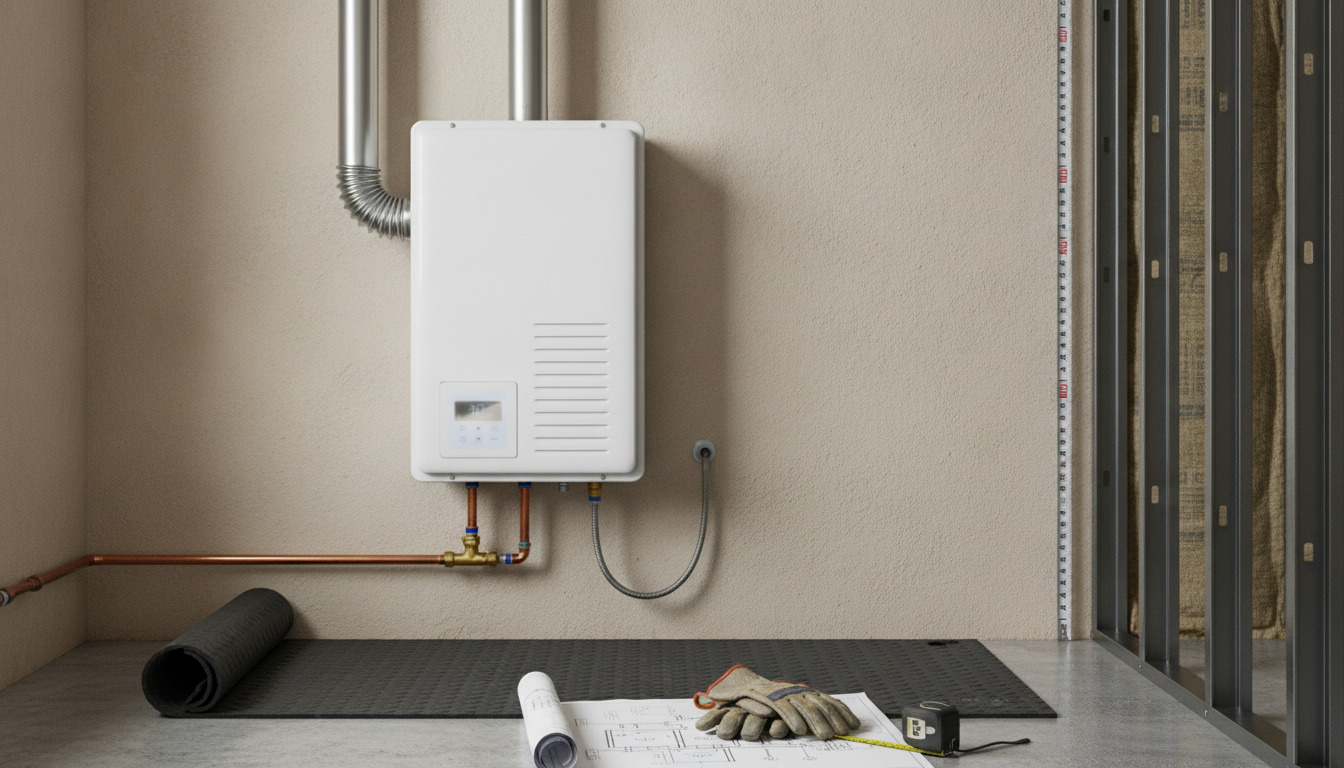
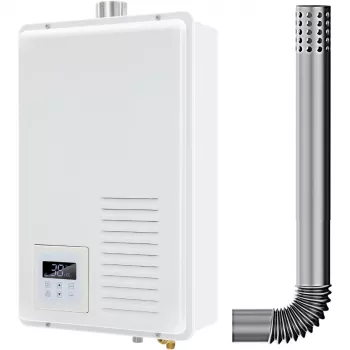
Propane Tankless Water Heater (7.4 GPM) for Indoor Use: Instant Hot Water Without the Tank
An indoor propane tankless water heater can deliver steady hot water on demand while reducing standby heat loss associated with storage tanks. This 7.4 GPM model is designed for households that want fast, consistent hot water for showers, sinks, and appliances—provided it’s properly sized, vented, and supplied with adequate gas pressure and combustion air. For more guidance, see Lightweight Instant Hot Water Heater With LED Display & 3 ….
What this 7.4 GPM indoor propane tankless heater is built to do
Tankless systems heat water only when a tap is opened, so you’re not continuously maintaining a full tank at temperature. For many homes, that means better efficiency during intermittent use and a smaller footprint than a traditional tank. For further reading, see Tankless Water Heaters.
- Delivers hot water on demand without storing a full tank of heated water, helping reduce wasted standby energy.
- Rated up to 7.4 GPM (maximum flow depends on incoming water temperature and the temperature rise required).
- Indoor installation is intended for controlled environments with correct venting and combustion air, rather than outdoor exposure.
- Good fit for multi-fixture use cases (for example, one shower plus a sink) when temperature rise and flow demands align.
Understanding GPM: what 7.4 GPM means in real life
The most common mismatch with tankless heaters happens when a household reads the GPM rating as a guaranteed “always” number. In reality, output is tied to how much the burner must increase water temperature (the “temperature rise”). The colder the incoming water, the more work the heater must do, and the less total hot-water flow it can produce at a comfortable setpoint.
- GPM ratings are not a promise of hot water at every temperature; they are tied to how much the unit must heat the water (temperature rise).
- Colder incoming water requires more heating, which typically reduces the maximum hot-water flow available.
- Planning around “simultaneous use” (shower + dishwasher, two showers, etc.) prevents cold-water surprises during peak times.
Typical fixture flow and what a 7.4 GPM heater may support (varies by temperature rise)
| Use case | Approx. flow needed (GPM) | Practical notes |
|---|---|---|
| Single shower | 1.8–2.5 | Often comfortable if temperature rise is moderate; colder climates reduce max hot flow. |
| Shower + bathroom sink | 2.3–3.5 | Common pairing; may require balancing with low-flow fixtures. |
| Two showers at once | 3.6–5.0 | Usually feasible in mild/moderate climates; may be limited in very cold incoming water conditions. |
| Kitchen sink + dishwasher | 2.0–4.0 | Simultaneous demand can spike; consider staggered use during peak times. |
| Whole-home peak (multiple fixtures) | 5.0–7.4+ | May work with efficient fixtures and favorable temperature rise; otherwise consider higher capacity or zoning. |
Indoor installation essentials: venting, combustion air, and clearances
Indoor propane tankless heaters are combustion appliances, which means installation details are directly tied to safety and performance. Venting and combustion air are not “nice to have” items—both are fundamental to stable operation and code compliance.
- Indoor propane tankless heaters require correct venting to safely exhaust combustion gases; vent type and routing must match the unit’s requirements and local code.
- Adequate combustion air is critical; insufficient air can cause poor combustion, nuisance shutdowns, and unsafe conditions.
- Maintain required clearances from combustibles and allow service access for descaling, filter cleaning, and inspection.
- Plan condensate handling if applicable to the specific model category; follow the manufacturer’s instructions for drainage and neutralization when required.
For background on tankless operation and efficiency considerations, see U.S. Department of Energy — Tankless or Demand-Type Water Heaters. For gas appliance safety and fuel-gas code context, refer to NFPA 54: National Fuel Gas Code (overview).
Propane supply and performance: what to verify before buying
Propane tankless heaters can be sensitive to supply constraints. Many “temperature swings” and ignition problems trace back to line sizing, pressure stability, or competing gas loads in the home.
- Confirm propane availability and that the gas line is correctly sized for the heater’s BTU demand and distance from the regulator (undersized lines can cause ignition issues and temperature fluctuation).
- Verify inlet gas pressure ranges and regulator configuration; stable pressure supports consistent outlet temperature.
- Check water pressure/flow requirements and whether a minimum flow is needed to activate heating.
- If running multiple gas appliances (furnace, stove, dryer), confirm total load capacity and consider a professional gas load calculation.
Comfort features that matter day to day
Once a tankless unit is installed, everyday comfort usually comes down to consistency: stable firing, steady water flow, and fewer rapid on/off cycles.
Operating costs and efficiency: what typically changes versus a tank
Maintenance and longevity checklist
Common troubleshooting symptoms and quick checks
When this 7.4 GPM indoor propane model is a strong fit
Featured in-stock items
- Propane Tankless Water Heater, 7.4 GPM, Indoor Use, Instant Hot Water
- Cactus Cat Tree Tower with Scratching Post & Condo Nest
- Alviero Martini Prima Classe Women’s Beige Bag with Zip
FAQ
Will a 7.4 GPM propane tankless heater run two showers at the same time?
Often yes, especially with efficient showerheads, but it depends on your incoming water temperature and how much temperature rise is required. In colder months or colder regions, the available hot-water flow can drop enough that two showers may need lower flow rates or a slightly lower set temperature.
Can an indoor propane tankless water heater be installed without a vent?
No. Indoor gas-fired tankless heaters must be vented according to the manufacturer’s specifications and local code so combustion gases are safely exhausted and airflow remains stable.
How often does a propane tankless water heater need descaling?
It depends on water hardness and usage, but many households plan on annual descaling. In hard-water areas, descaling may be needed more frequently to prevent reduced flow, overheating, and performance loss.








Leave a comment