AI Skincare Personalization: Routine That Adapts Daily
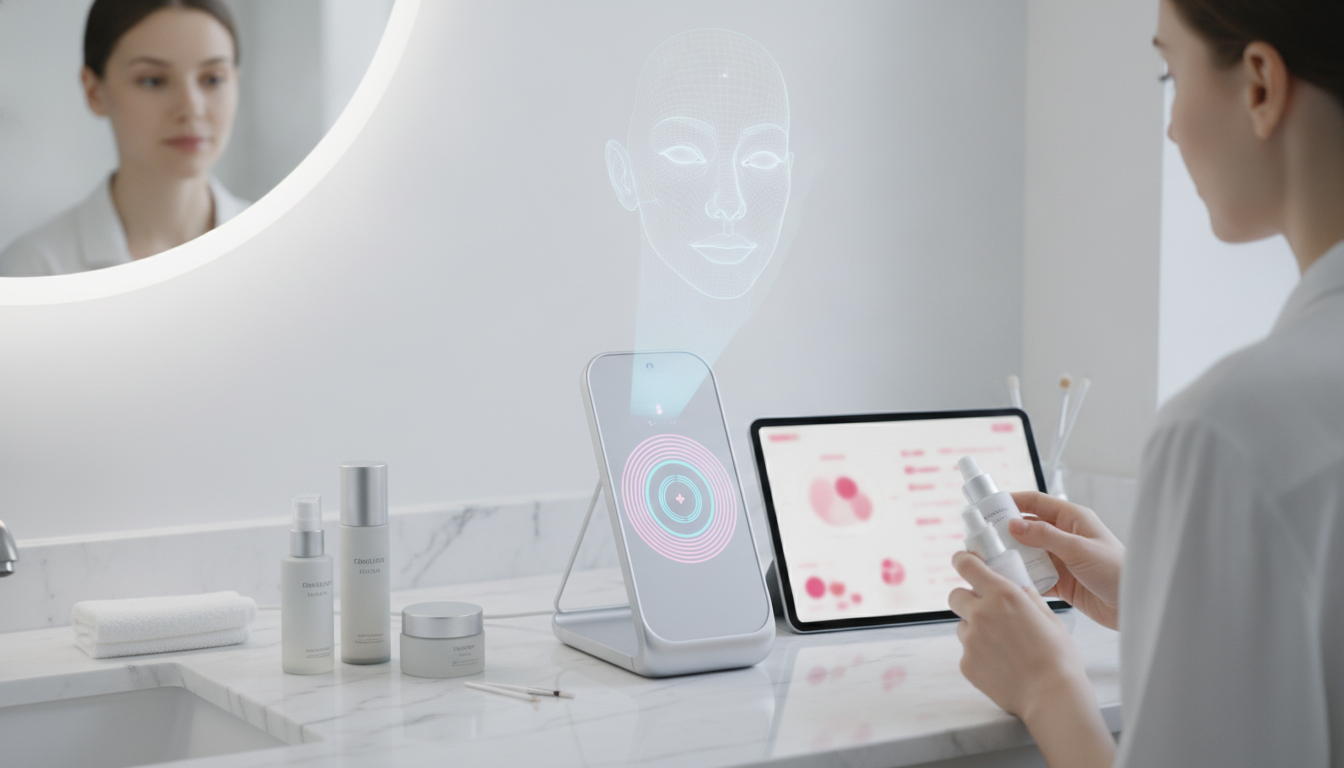
AI-Personalized Skincare: Building a Tailored Daily Routine That Adapts
Personalized skincare works best when it accounts for daily changes—weather, stress, sleep, hormones, and how your skin reacts over time. AI tools can help translate skin observations and lifestyle inputs into practical routine suggestions, then refine them as results show up. The goal is a simpler, more consistent routine that evolves with real-world feedback rather than guesswork.
What AI Personalization Really Means for Skin
AI personalization is less about “perfect” product matching and more about building a routine framework that’s responsive to your skin’s signals. A good tool uses inputs such as skin type, concerns, sensitivity, climate, age, and current products to propose a routine structure you can stick with.
Over time, it looks for patterns—like flare-ups after specific actives, seasonal dryness, or irritation from over-exfoliation—and shifts the plan accordingly. Most importantly, it should prioritize consistency and barrier health before adding extra steps or stronger actives. As outcomes become clear (less redness, fewer breakouts, smoother texture, reduced tightness), recommendations should adjust in a measured way rather than swinging from trend to trend.
The Inputs That Make Recommendations More Accurate
AI can only be as useful as the information it receives. The most helpful inputs tend to be simple, repeatable, and tied to daily life.
- Baseline profile: skin type, sensitivity level, and your top 1–3 concerns (acne, hyperpigmentation, dryness, texture, fine lines).
- Context: local humidity/temperature, sun exposure, indoor heating/AC, workouts, mask use, and shifts in stress or sleep.
- Product inventory: cleansers, moisturizers, SPF, actives already used, and known triggers (fragrance, essential oils, certain preservatives).
- Photo and self-report data: consistent lighting photos plus quick check-ins (oiliness, stinging, new breakouts, flaking).
- Constraints: budget, time available, preference for minimal routines, and ingredient sensitivities.
If you’re unsure what “skin care basics” should always be present, the American Academy of Dermatology Association offers a clear, dermatologist-backed foundation to compare against any AI output.
From Data to Routine: How AI Turns Signals Into Steps
Most AI-guided routines are built around four pillars: cleanse, treat, moisturize, protect (plus optional weekly steps). The smartest approach starts with a low-irritation baseline and introduces only one active at a time so it’s obvious what helps—or what quietly makes things worse.
AI can also suggest frequency changes based on tolerance (for example, using a retinoid 2 nights per week before moving to 3–4). This matters because many setbacks come from doing the “right” ingredient too often. Another core job is balancing conflicting goals, like acne control without stripping the barrier, or brightening without piling on exfoliation that triggers inflammation.
Example daily routine suggestions AI commonly produces (adjusted by skin signals)
| Skin signal | Morning focus | Evening focus | What to reduce/avoid |
|---|---|---|---|
| Tightness or flaking | Gentle cleanse or rinse only + richer moisturizer + SPF | Barrier-support moisturizer; optional mild hydrating serum | Strong acids, frequent foaming cleansers, long hot showers |
| Oily shine by noon | Light cleanser + non-greasy moisturizer + SPF | Targeted acne treatment on alternate nights + balanced moisturizer | Over-cleansing, harsh scrubs, skipping moisturizer |
| Redness or stinging | Minimal routine: gentle cleanser + soothing moisturizer + SPF | No new actives; patch-test and simplify | Fragrance, high-percentage acids, stacking multiple actives |
| Dark spots | Antioxidant/brightening support + SPF priority | Targeted brightening active on a schedule; moisturize | Inconsistent SPF, aggressive exfoliation that triggers inflammation |
SPF guidance should be non-negotiable: broad-spectrum coverage and consistent use often determine whether brightening and anti-aging steps succeed. For specifics on sunscreen use and labeling, see the U.S. Food & Drug Administration sunscreen guidance.
A Practical 7-Day Setup for an AI-Guided Routine
A week is enough time to establish a stable baseline and introduce a single variable without turning your routine into a chemistry experiment.
Keeping It Safe: Limits of AI and When to Get Medical Advice
Be extra cautious with pregnancy/breastfeeding restrictions and prescription-strength ingredients; confirm with a healthcare professional before changing anything. If a tool recommends frequent irritation-inducing steps, simplify and rebuild from a gentle base. If you suspect allergic contact dermatitis, the NCBI overview is a helpful primer on how reactions can present and why triggers can be tricky to identify.
What to Look for in an AI Skincare Tool
A Simple Guide to Putting AI Suggestions Into Daily Use
Recommended Tools (In Stock)
- How AI Can Personalize Your Skincare Routine – AI Skincare Routine Suggestions Guide for Tailored Daily Skincare (Digital guide)
- Alviero Martini Prima Classe Women’s Beige Bag with Zip (A structured zip bag that can help keep SPF, lip balm, and travel minis organized for consistent reapplication and touch-ups.)
FAQ
How long does it take to see results from an AI-personalized routine?
Irritation can show up within days, hydration and comfort often improve in 1–2 weeks, and concerns like acne or dark spots commonly take 4–12 weeks. Consistency and changing only one variable at a time make the results easier to read.
Can AI recommend products if skin is sensitive?
Yes, but it should start with a minimal routine (gentle cleanser, barrier-support moisturizer, daily SPF) and add treatments slowly with patch testing. Avoid stacking multiple actives so you can identify triggers quickly.
Is it safe to follow AI skincare suggestions while using prescription treatments?
Coordinate with a dermatologist or prescriber, especially if prescriptions include retinoids or medicated acne products. Don’t alter prescription use based on AI suggestions, and be cautious about combining prescriptions with strong acids or other high-irritation actives.









Leave a comment