Boost a Low-Flush Toilet: Stronger Flush in 5 Fixes
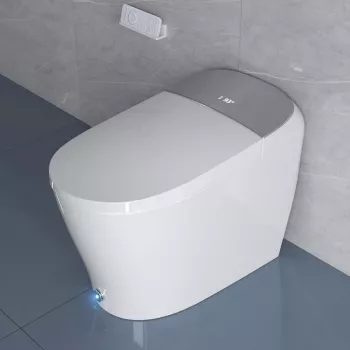
How to create more pressure in a low flush toilet?
A “low flush” toilet can still clear the bowl with authority—when the tank releases water quickly and the bowl jets are clear. If your flush feels lazy or incomplete, the issue is usually restricted flow (mineral buildup or a partial clog) or an underfilled/slow-filling tank rather than a lack of household water pressure.
1) Make sure the tank is filling to the correct level
Remove the lid and check the water line. It should be at the marked fill line or about 1 inch below the top of the overflow tube. If it’s low, adjust the float or fill valve so the tank refills higher. More stored water released quickly equals a stronger flush.
2) Speed up the tank’s dump
A flapper that closes too soon can cut the flush short. Check that the flapper isn’t warped or swollen and that the chain has a little slack (not so tight it holds the flapper open, not so loose it delays lift). Replacing a worn flapper is a cheap, high-impact fix.
3) Clean rim jets and the siphon jet
Mineral deposits narrow the small jet holes under the rim and the siphon jet at the bottom of the bowl, reducing the “push” that starts the siphon. Shut off the water, flush to drain the tank, then use vinegar or a descaling cleaner and a stiff nylon brush to clear buildup from the rim and siphon jet.
4) Rule out a partial clog or venting issue
If the bowl rises then slowly drains, use a flange plunger, then a toilet auger to clear obstructions. Gurgling in nearby drains can point to a vent problem, which can weaken siphon action and may require a plumber.
5) Consider an upgrade designed for low pressure situations
Some modern toilets handle challenging conditions better through optimized trapways and flush engineering. For options that perform well with limited pressure, see the recommendations and guidance here: https://magdella.com/guide-smart-toilets-for-low-water-pressure-strong-flush/.
FAQ
Why does my toilet flush fine sometimes but weak other times?
Intermittent weak flushes often come from inconsistent tank fill levels (a sticking float or failing fill valve) or a flapper that occasionally closes early. It can also happen when rim jets are partially clogged, causing performance to vary depending on how full the tank gets between uses.









Leave a comment