High-Speed Hair Dryer Brush Styler: 5-in-1 Blowout Guide
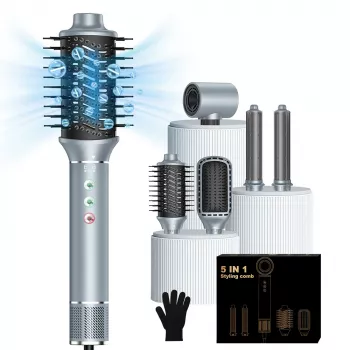
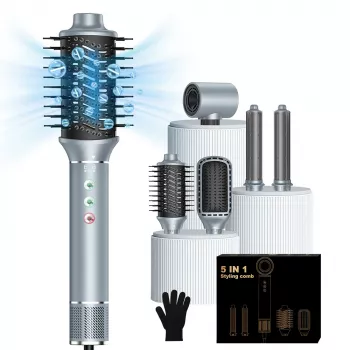
5-in-1 High-Speed Hair Dryer Brush & Styler: Faster Blowouts, Smoother Finish
A high-speed dryer brush styler combines drying and shaping in one tool, helping cut down styling time while creating volume, smoothness, or soft curls with fewer tool changes. A 5-in-1 system is especially handy for everyday routines: it can take hair from damp to styled, refresh bangs quickly, and switch from sleek to bouncy without pulling out multiple hot tools.
Below is a practical guide to what makes high-speed airflow different, how each attachment typically works, and how to keep heat and handling as hair-friendly as possible.
What a high-speed dryer brush styler does differently
A dryer brush styler merges a blow dryer’s airflow with a brush-shaped body so you can guide hair into shape while it dries. Instead of drying first and styling second, you’re building the finish as moisture leaves the hair—often the main reason the process feels faster and more streamlined.
- It combines airflow and heat with a brush format to dry while directing strands into a smoother path.
- High-speed airflow is designed to move more air through the hair, reducing how long hair stays hot.
- Multi-attachment designs support multiple looks—smoothing, volumizing, and shaping ends—without changing tools.
- It’s best on damp, towel-dried hair rather than fully wet hair for easier control and less stress on strands.
For general hair-care best practices (including avoiding excessive heat and friction), the American Academy of Dermatology Association’s hair care tips are a helpful reference.
5-in-1 attachments and what each look is good for
Most 5-in-1 systems revolve around a single powered handle plus attachments that change how air flows and how hair is shaped. If your goal changes day to day—sleek lengths, lifted roots, or curled ends—these attachments keep the routine flexible.
Quick guide to common attachments and results
| Attachment | Best for | Section size | Pro tip |
|---|---|---|---|
| Smoothing brush | Straight, polished finish | Medium sections | Keep tension steady and glide from roots to ends |
| Round volumizing brush | Lift and bounce | Small-to-medium sections | Hold at the root for 2–3 seconds before rolling through |
| Curl/shaping barrel | Soft curls and waves | Small sections | Alternate directions for a more natural finish |
| Concentrator airflow | Roots, bangs, targeted drying | Any | Dry roots first for longer-lasting volume |
| Cool setting | Set and seal the style | Any | Use after each section for better hold with less product |
Attachment choices can also affect your finishing products. A smoothing brush often pairs well with a light anti-frizz cream or heat protectant spray, while a round brush look may last longer with a root-lifting mousse (kept away from the scalp if your hair gets oily easily).
Heat, airflow, and hair safety
Control is what separates a quick, glossy blowout from a rough finish. The best routines match heat and airflow to your hair’s condition and the area you’re styling.
- Multiple heat settings help match temperature to hair thickness and current condition (colored, dry, or fragile hair usually needs less heat).
- Airflow settings change the feel of styling: higher airflow speeds drying; lower airflow improves precision around the hairline and ends.
- Cool air can reduce flyaways and help the style hold its shape longer.
- Heat-safety habits matter: start lower, keep the tool moving, and avoid lingering on one spot.
- Use a heat protectant on damp hair before styling with heat and airflow.
A good rule of thumb: if you need to keep re-passing the same area, reduce section size first—then adjust heat. Better sectioning usually improves smoothness more than turning the temperature up.
Who it works best for (and when to choose a different tool)
A high-speed dryer brush styler can work across many hair types, but the most flattering results come from matching technique to texture.
- Fine hair: Use lower heat and smaller sections. Focus on lifting at the root, then glide through lengths quickly to avoid limp volume.
- Thick hair: Work in layers and remove excess water first. Pre-dry roots briefly, then use a brush attachment to smooth and shape.
- Curly hair: Great for stretching curls into a blowout look. Use steady tension and finish with cool air to reduce frizz.
- Short hair and bangs: A concentrator and smaller brush area are easiest to control. Avoid oversized barrels too close to the scalp.
- Very damaged hair: Prioritize low heat, fewer passes, and protective products; partially air-dry first to reduce overall exposure.
How to use a high-speed dryer brush styler for a salon-style blowout
Maintenance and care for consistent performance
5-in-1 High-Speed Hair Dryer Brush & Styler: key highlights
Shop in-stock picks
- 5-in-1 High-Speed Hair Dryer Brush & Styler ($95.47)
- Alviero Martini Prima Classe Women’s Beige Bag with Zip ($135.85)
FAQ
Can a high-speed dryer brush styler be used on wet hair?
It’s best to start on towel-dried, damp hair for better control and less stress on strands. If hair is very wet, rough-dry roots first, then switch to your brush attachment once the hair is no longer dripping.
How do results last longer with a dryer brush styler?
Use smaller sections, lift roots before moving into the lengths, and finish each section with a brief cool setting to set the shape. Keep finishing products light at the roots, since heavy oils can weigh down volume.
Is it suitable for fine or damaged hair?
Yes, with the right settings and technique: choose lower heat, reduce repeat passes, and always use a heat protectant on damp hair. Partially air-drying first can also cut down the time your hair is exposed to heat and airflow.








Leave a comment