Is TikTok Shop Safe? Privacy, Payment Tips & Scam Signs
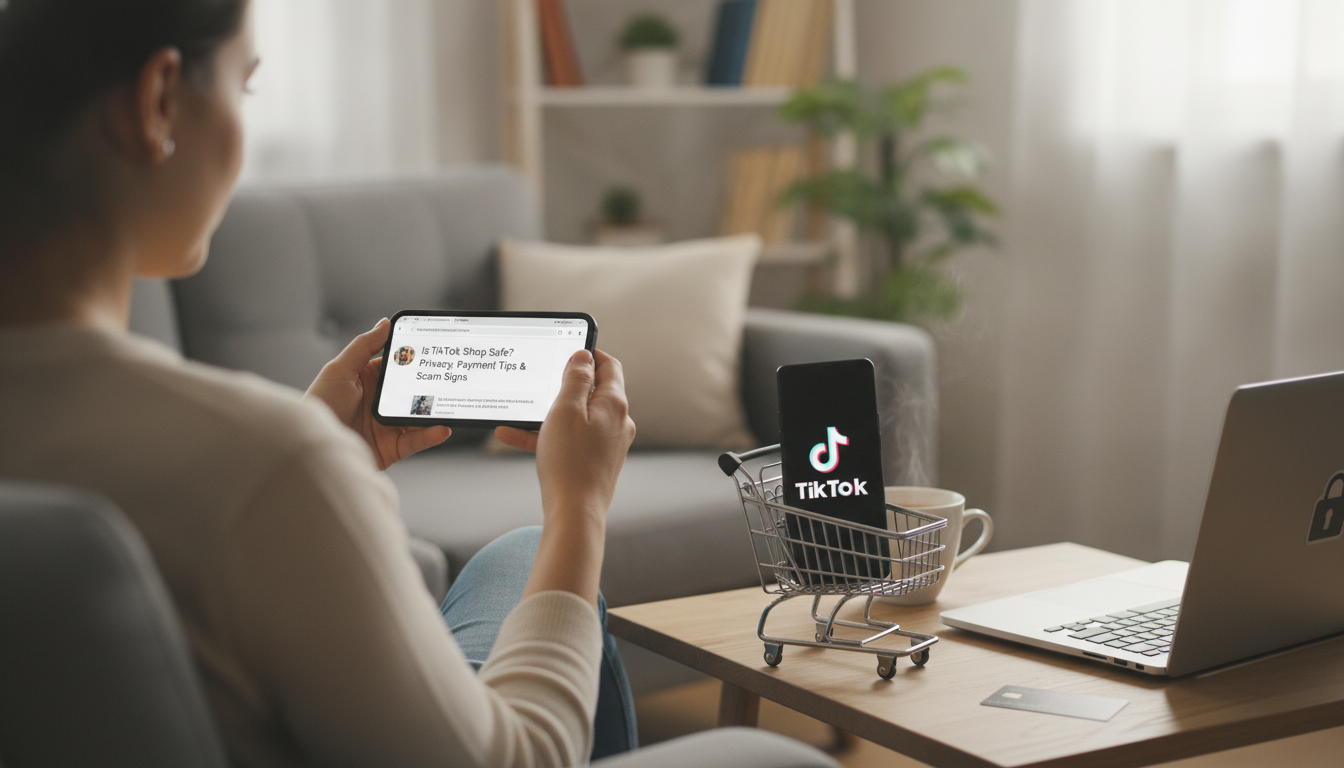
Is TikTok Shop Safe? A Practical Guide to Privacy, Payments, and Scam Signals
TikTok Shop can be convenient, but it mixes entertainment, impulse buying, and unfamiliar sellers—an easy setup for avoidable mistakes. Safety depends on how listings are evaluated, how payments are handled, and what personal data is shared. The good news: most problems follow recognizable patterns, and a few consistent habits can reduce risk before checkout, during delivery, and if a return is needed.
How TikTok Shop Works (and Where Risk Can Enter)
TikTok Shop functions like a marketplace layer inside the app. Discovery happens through short videos, live streams, and in-feed product cards, which can make shopping feel frictionless—sometimes too frictionless.
- Multiple parties are involved. TikTok provides the platform, but a third-party seller may control product quality, packaging, and customer support. Payments can involve a processor, and delivery depends on a carrier. Many “what went wrong” stories happen at these handoffs.
- Content can outpace details. A great demo video can hide vague specs, unclear compatibility, or missing return rules.
- Off-platform requests are a major warning sign. Any push to pay via direct message or to “confirm” information outside the normal checkout flow reduces traceability and dispute options.
Quick Safety Check: What to Verify Before Buying
A fast pre-purchase scan can catch most scammy listings. Focus on seller identity, listing completeness, pricing realism, and what buyers say in comments/reviews (when visible).
Red flags vs. safer signals when evaluating a TikTok Shop listing
| Category | Red flags | Safer signals |
|---|---|---|
| Seller | New or inconsistent branding; sparse profile; evasive replies | Stable store identity; clear policies; responsive, specific answers |
| Listing | Vague specs; missing sizes/materials; copied images | Complete specs; multiple images; clear variants and compatibility notes |
| Pricing | Extreme discounts; urgent countdowns; “limited stock” pressure | Competitive but plausible pricing; no high-pressure tactics |
| Reviews | Generic praise only; repeated identical wording; no photos | Mixed but detailed reviews; photos/video; shipping and fit notes |
| Checkout | Requests to pay outside TikTok; asks for extra data via DM | Stays in-app; standard payment options; no unnecessary info requests |
Also treat comment patterns as data. Multiple mentions of wrong items, “delivered but not received,” or weeks-long refund delays should outweigh a creator’s enthusiasm.
Payment Safety: Chargebacks, Disputes, and Best Practices
Payment choices can determine whether a bad purchase is an annoyance or a long, expensive headache.
- Use strong consumer-protection payments when possible. Credit cards and reputable digital wallets generally offer clearer dispute pathways than direct bank transfers. Keep transactions in-app so there’s a record tied to the order.
- Never follow “special deal” instructions through DMs. Off-platform payments or links can bypass platform safeguards and make it harder to prove what happened.
- Save proof early. Keep order confirmations, screenshots of the listing (price, specs, delivery promise, return rules), and all messages until you’re past the return window.
- Move fast if something feels wrong. Start with the platform’s dispute flow. If the result is slow or unsatisfactory, escalate to the payment provider using your saved documentation.
General online-shopping safety guidance from the Federal Trade Commission (FTC) is a helpful reference point when deciding what evidence to save and how to handle disputes.
Privacy and Data: Settings That Reduce Exposure
Shopping through a social app can blur the line between personal life and purchase activity. Reducing exposure is mostly about limiting optional sharing and recognizing social engineering attempts.
- Review what’s public. Check profile and privacy settings so shopping-related activity isn’t shared more widely than intended.
- Minimize optional data fields. Provide only what’s required to deliver the package. Avoid adding secondary emails, alternate phone numbers, or social handles unless truly necessary.
- Expect “verification” scams. Fraudsters sometimes claim a shipping issue and ask for a verification code or extra personal details. Treat any code request as high risk.
- Use device-level protections. Keep the app and operating system updated, restrict permissions to what you actually use, and avoid shopping on public Wi‑Fi unless you have strong protection. CISA’s tips on securing your mobile device cover practical steps that apply to shopping apps.
Scam Patterns Seen in Social Commerce
Social commerce scams tend to repeat. Knowing the common plays makes it easier to spot trouble before money leaves your account.
For broader scam awareness (especially around messages and links), the FTC guidance on recognizing and avoiding phishing scams is worth keeping in mind—many shopping scams rely on the same tactics.
Returns, Refunds, and Delivery: Reduce Headaches Up Front
When TikTok Shop Is a Reasonable Choice (and When It Isn’t)
Digital Guide Pick: A Checklist-Driven Approach to Safer Buying
- Alviero Martini Prima Classe Women’s Beige Bag with Zip
- Dolce & Gabbana Gold Charm Necklace with Carretto Pendants and Crystals
FAQ
Is it safer to use a credit card on TikTok Shop than a debit card?
Credit cards typically offer stronger dispute and chargeback protections, while debit card issues can tie up funds directly from a bank account. Whichever method is used, keeping payment in-app and saving order receipts and listing screenshots improves the odds of a smooth dispute.
What should be done if a TikTok Shop order shows “delivered” but never arrived?
First confirm the shipping address and check the carrier’s tracking details for delivery location or proof. Then message the seller within the platform and open a platform dispute with screenshots of tracking and order info; if it isn’t resolved, escalate to the payment provider promptly.
How can counterfeit products be avoided on TikTok Shop?
Be skeptical of brand-name pricing that’s far below typical retail and favor listings with detailed photos, complete specs, and credible seller history. Avoid high-risk branded categories unless authenticity is clearly supported by reliable documentation and buyer reviews with real photos or video.








Leave a comment