Emergency Fund: Step-by-Step Plan to Start and Grow It
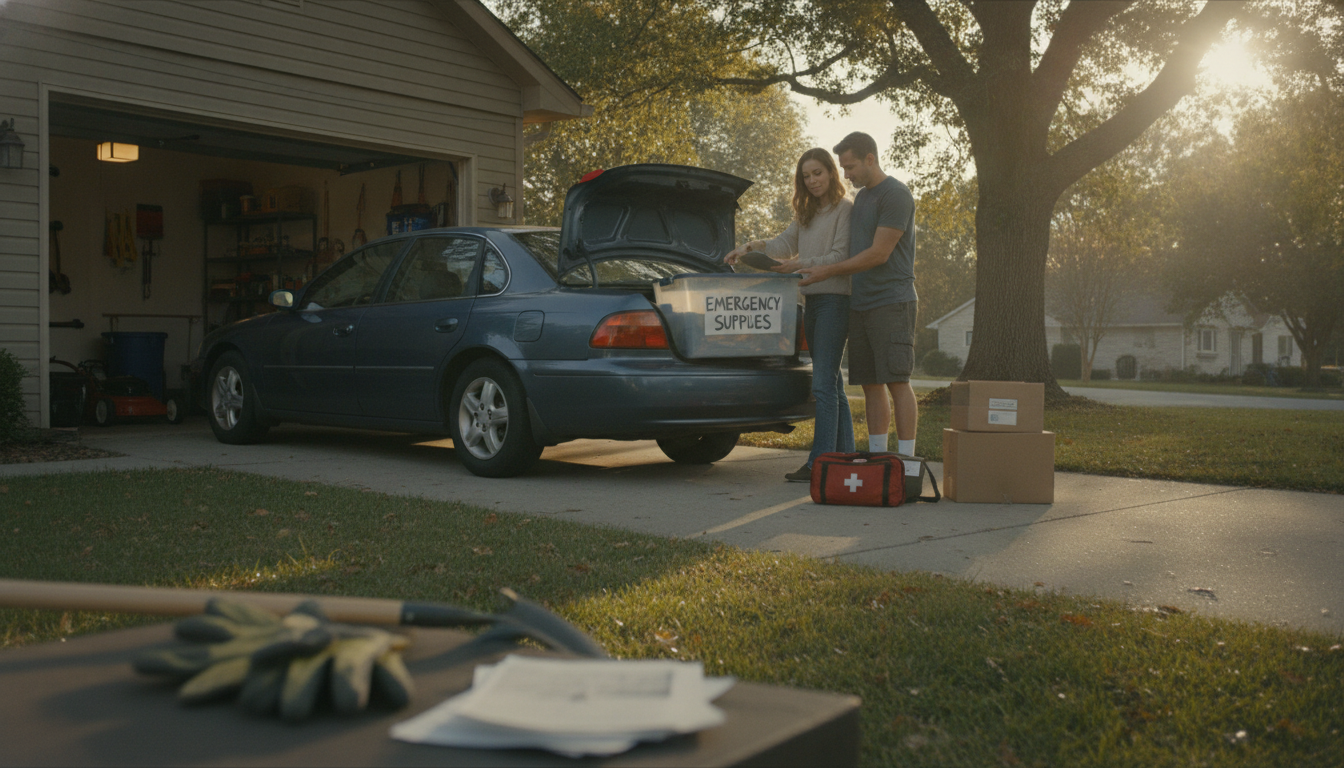
How to build an emergency fund step by step?
Building an emergency fund works best when it’s treated like a simple system: pick a target, automate the habit, and protect the money from everyday spending. Here’s a practical step-by-step approach that fits most budgets.
Step 1: Choose a clear starter goal
Start with a small, fast win—$500 to $1,000 is enough to cover many common surprises like a car repair or urgent prescription. A quick milestone builds momentum and reduces the need for credit cards.
Step 2: Set your full target based on your life
After the starter fund, aim for 3–6 months of essential expenses (housing, food, utilities, insurance, minimum debt payments). If income is unpredictable, you support others, or your job field is volatile, lean toward 6–9 months.
Step 3: Open the right account (separate and easy)
Use a dedicated high-yield savings account so the money is separate from checking and earns interest. Keep it accessible for true emergencies, but not so easy that it becomes a “spare spending” pool.
Step 4: Automate contributions on payday
Pick a repeatable amount—$10, $25, or $100—then schedule it for the day you get paid. Consistency matters more than size. If you get a raise, increase the transfer before lifestyle costs expand.
Step 5: Find funding without pain
Look for “invisible” money first: cancel unused subscriptions, negotiate bills, redirect cash-back rewards, or save one small expense category (like takeout once a week). Put windfalls—tax refunds, bonuses, gifts—into the fund until you hit your target.
Step 6: Define what counts as an emergency
Write simple rules: urgent, necessary, and unexpected. Examples include medical bills, essential travel for a family crisis, or a major home repair. Planned expenses (holidays, routine maintenance) belong in separate sinking funds.
Step 7: Refill after you use it
If you tap the fund, pause extra spending and temporarily redirect any “nice-to-have” budget lines back into savings until you’re restored to your minimum level.
For a deeper plan with targets and rules you can follow, see this emergency fund guide.
FAQ
Where should I keep my emergency fund?
A high-yield savings account is usually the best mix of safety and access. Keep it separate from checking so it’s less tempting to spend, but still available quickly when a real emergency hits.











Leave a comment