Quick Dry Clothing for Swimming: When It Works Best
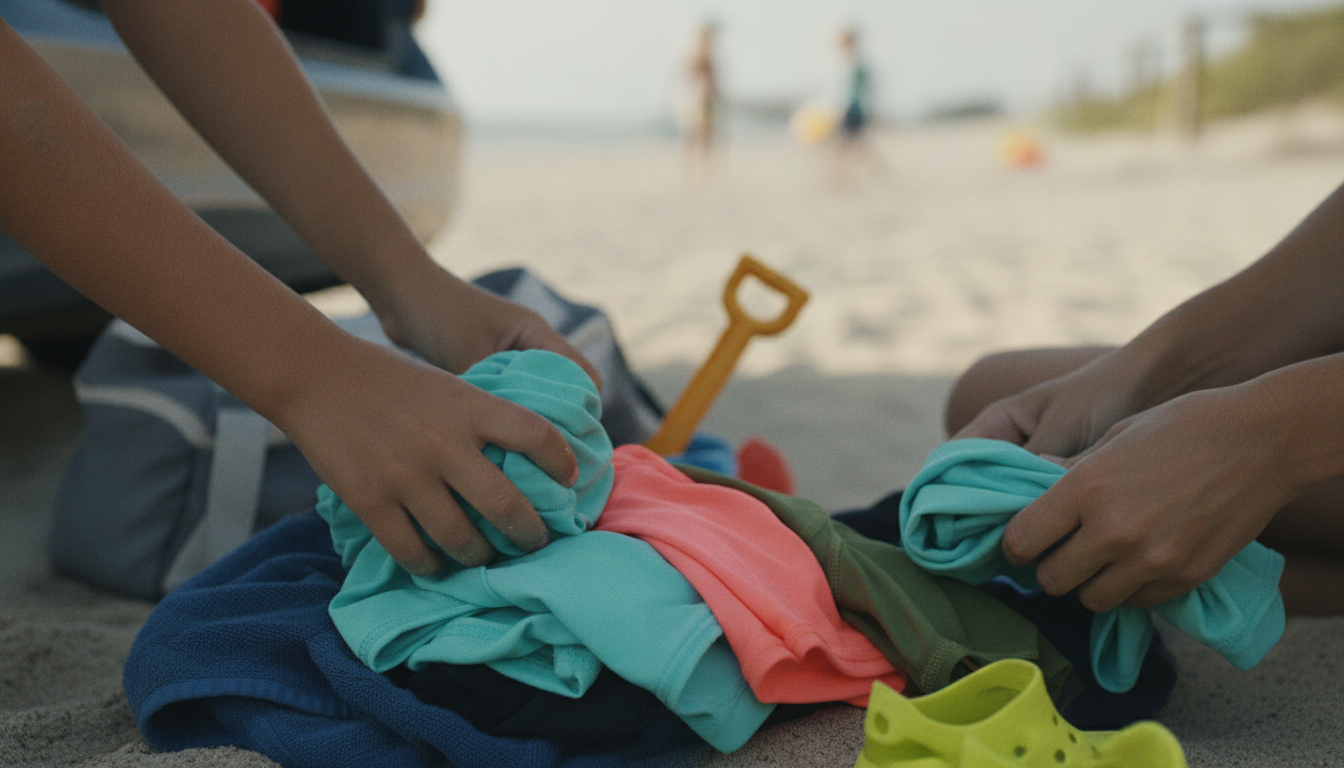
Is quick dry clothing good for swimming?
Quick dry clothing can work well for casual swimming, especially when the fabric is lightweight, smooth, and designed to shed water. It’s a convenient option for beach days, paddleboarding, pool lounging, and travel—situations where you want to get in the water and then dry out fast without changing immediately.
That said, not all “quick dry” pieces are ideal as true swimwear. Many quick-dry tops and jackets are made for sun coverage, workouts, or light outdoor use; they may feel heavier in the water than a swimsuit, create drag, or become clingy when saturated. If you’re swimming laps or doing higher-intensity water activities, dedicated swim fabric (often nylon/spandex blends) usually performs better.
When quick dry clothing is a good choice
Quick dry layers shine when your priority is comfort before and after the water. They’re great for throwing on over a swimsuit, adding sun protection, or staying warm in breezy conditions. Many options also offer breathable construction and zip-front versatility, which makes them easy to vent as you transition from wet to dry.
What to watch for
Check that the garment is labeled as suitable for water use and won’t turn see-through when wet. Look for flat seams to reduce chafing, a secure fit (so it doesn’t ride up), and fabric that won’t hold onto water. Avoid pieces with heavy pockets, thick linings, or cotton blends—these can stay damp longer and feel bulky.
Best practice for comfort and longevity
Rinse quick dry clothing after swimming in chlorinated pools or salt water, then hang it to dry in shade when possible. If you want a versatile layer that transitions from sun to swim to post-swim errands, a breathable quick-dry zip layer can be a smart add-on. For more details on how these fabrics and layers are designed to perform, visit this quick-dry zip layer guide.
FAQ
Can you wear a quick-dry jacket in the pool?
Yes, if it’s made for water exposure and fits securely, but it may feel heavier and create more drag than a swim shirt. It’s usually best for light swimming, sun coverage, or post-swim warmth rather than lap workouts.








Leave a comment