
Eco Wheat Explained: Wheat Straw Tableware Basics
What is eco wheat?
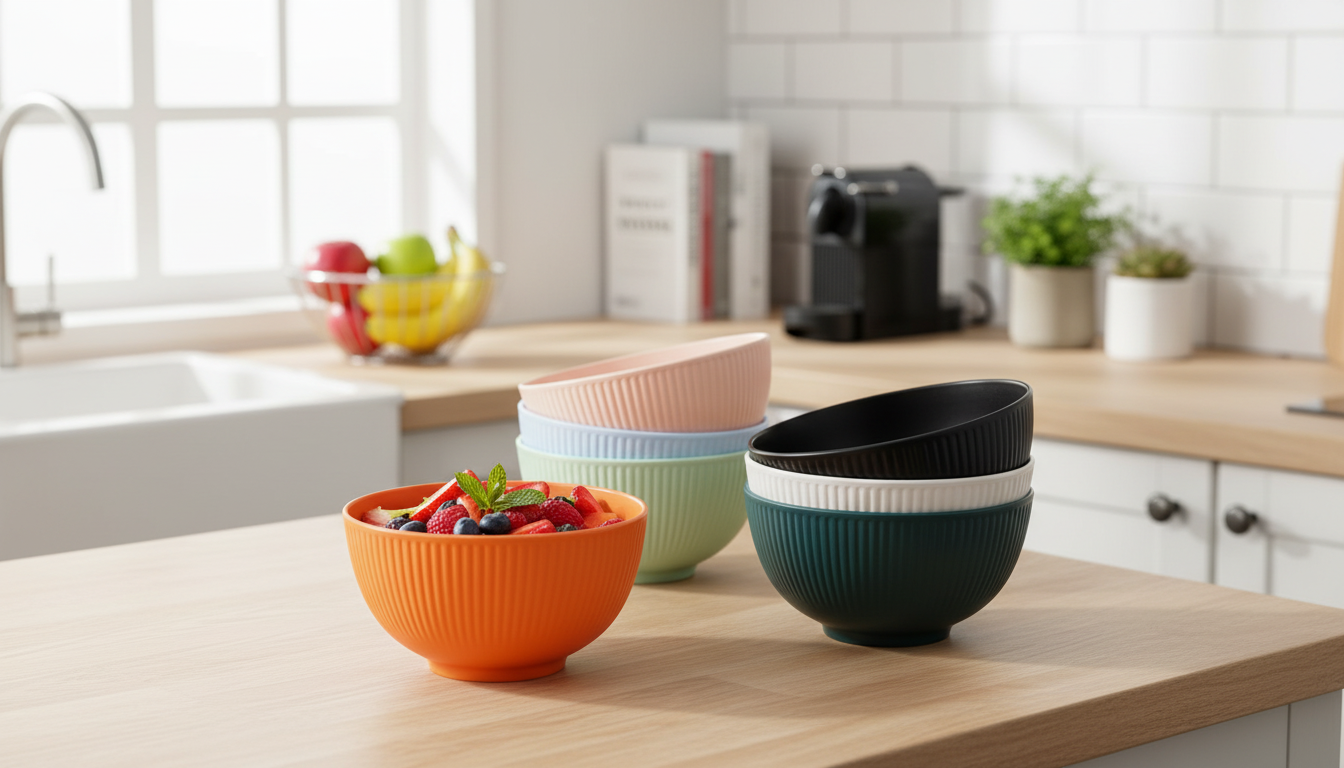
Eco wheat most commonly refers to products made from wheat straw fiber (the stalks left over after wheat grains are harvested) that are blended with food-safe binders to create durable, lightweight items. Instead of sending that agricultural byproduct to waste, manufacturers repurpose it into everyday goods like bowls, plates, and cups.
How eco wheat material is made
Wheat straw is cleaned, dried, and processed into a fine fiber. That fiber is then combined with a binding material and molded under heat and pressure into finished shapes. The result is a composite that’s typically less reliant on petroleum-based plastic than conventional plastic items, while still being designed to handle regular kitchen use.
Why people choose eco wheat (wheat straw) products
Eco wheat items are popular for households that want a more plant-forward alternative to standard plastic for casual dining. Many people also like that wheat straw tableware is generally lightweight, tends to be more shatter-resistant than ceramic or glass, and is often marketed as dishwasher-friendly depending on the product’s specifications.
What eco wheat is used for
You’ll see eco wheat most often in reusable kitchen and dining products—especially bowls, plates, and kids’ dishware—because the material can be molded into smooth, easy-to-hold shapes. For a practical example and buying considerations (like durability, care, and what to look for in a set), visit this guide to wheat straw bowls.
Things to know before buying
“Eco wheat” isn’t a single regulated standard, so performance varies by brand. Check whether the item is labeled food-safe, how it’s rated for heat (microwave or hot liquids), and whether it’s dishwasher-safe on the rack you plan to use. If you’re avoiding certain plastics or additives, review the material description carefully.
FAQ
Are wheat straw bowls safe for food?
Most are intended for food use when labeled food-safe, but safety depends on the specific materials and certifications used by the manufacturer. Check the product listing for food-contact compliance details and care instructions.














Leave a comment